
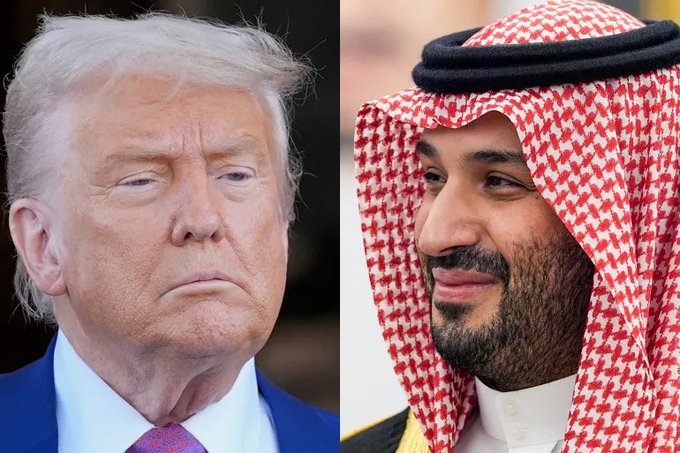

WASHINGTON, D.C. — The administration of US President Donald Trump has reached a tentative, highly unprecedented civilian nuclear agreement with Saudi Arabia that will officially permit the Kingdom to conduct limited domestic uranium enrichment and plutonium reprocessing on its soil.
A special investigative report published by CNN—citing senior sources and internal administration documents—reveals that the draft accord, legally framed as a “123 Agreement,” does not require Riyadh to adopt the International Atomic Energy Agency’s (IAEA) strict Additional Protocol safeguards. The omission effectively shields the Kingdom from intrusive, short-notice international nuclear inspections.
Unprecedented Concessions Amid the Conflict with Iran
Though technical bilateral negotiations were successfully finalized in October 2025, President Trump’s final signature on the treaty was delayed due to the active war with Iran. The conflict was launched in part by the White House to dismantle Tehran’s enriched uranium reserves.
               US-SAUDI DRAFT NUCLEAR ACCORD (123 AGREEMENT)
┌───────────────────────────────┬──────────────────────────────────────────┐
│ CORE PROVISION                │ • Domestic uranium enrichment &          │
│                               │   plutonium reprocessing permitted.      │
├───────────────────────────────┼──────────────────────────────────────────┤
│ INSPECTION PROTOCOL           │ • Bypasses standard IAEA Additional      │
│                               │   Protocol for short-notice oversight.   │
├───────────────────────────────┼──────────────────────────────────────────┤
│ GEOPOLITICAL TRIGGERS         │ • Active war with Iran; Crown Prince     │
│                               │   MBS's pledge to match Tehran's bomb.   │
└───────────────────────────────┴──────────────────────────────────────────┘
Top administration officials have recognized that allowing Saudi Arabia a domestic enrichment pathway is entirely “unprecedented” for a US civilian nuclear partnership. Multiple geopolitical analysts view the concession as a direct strategic counter-weight to Iran, especially following explicit warnings from Saudi Crown Prince Mohammed bin Salman that Riyadh would immediately develop nuclear weapons if Iran acquired a functional bomb.
Bypassing Israel and Normalization Preconditions
The finalization of the current draft marks a profound shift in thinking at the White House. During the initial phases of the regional framework, the US had paired a civilian nuclear program and a formal defense pact with a strict requirement that Saudi Arabia normalize diplomatic ties and formally recognize Israel.
However, following Prime Minister Benjamin Netanyahu’s rejection of the broader package, the Trump administration dropped the normalization precondition. This critical pivot left Israel completely outside the immediate architecture, allowing the White House to tailor a standalone draft focused entirely on Riyadh’s strategic demands.
Bipartisan Benches in Congress Threaten Disapproval
Despite the White House completing the text, the agreement faces a rocky road to implementation. Under federal law, the White House must formally submit the signed 123 Agreement to Congress for review.
Proponents face deep bipartisan skepticism on Capitol Hill. With the sudden death of Senator Lindsey Graham—the chief architect who had pledged to assemble the two-thirds supermajority needed to easily clear a regional defense treaty—the administration lacks a strong legislative driver in the Senate. Lawmakers from both parties are already preparing a non-approval resolution to block the accord, warning that providing domestic enrichment capabilities without standardized IAEA oversight could inadvertently trigger an uncontrollable nuclear arms race across the Middle East.
247ureports.com will continue to monitor updates as the document moves toward Capitol Hill.