
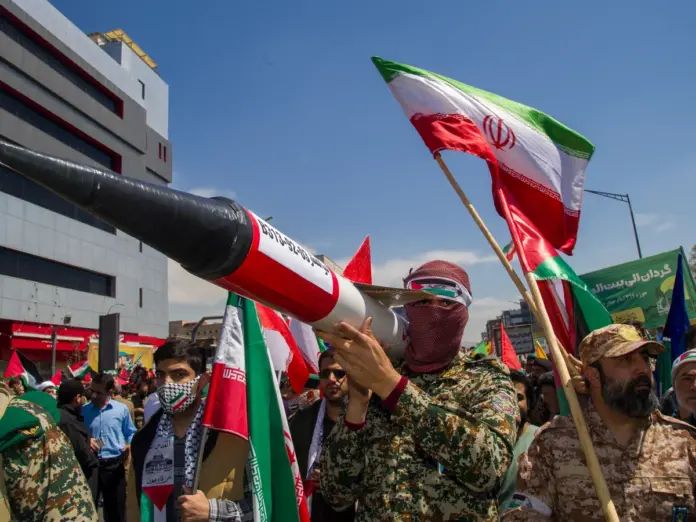


TEHRAN, IRAN – A senior Iranian military commander has warned that a return to active conflict with the United States is “likely” following the collapse of the latest round of diplomatic negotiations.
Mohammad Jafar Asadi, a high-ranking official within Iran’s military central command, issued the warning on Saturday, May 2, 2026. The statement comes just hours after U.S. President Donald Trump rejected a peace proposal delivered by Iranian officials through Pakistani mediators.
Strained Ceasefire and Failed Diplomacy
The region has been under a fragile ceasefire since April 8, 2026, following a direct military campaign launched by U.S. and Israeli forces in late February. Hostilities during that period included intensive strikes on Iranian nuclear infrastructure and strategic facilities.
President Trump indicated on Friday evening that he was “not satisfied” with the terms of the Iranian proposal, effectively halting the momentum toward a long-term diplomatic resolution. Following the rejection, Asadi accused Washington of a lack of commitment to peace, stating that Iranian forces have been placed in “full readiness” for any renewed American military action.
Maritime Standoff and Political Maneuvering
Despite the ceasefire, a tense maritime standoff continues in the Strait of Hormuz. Iran maintains a partial blockade of the vital waterway, while U.S. naval forces continue to enforce a counter-blockade on major Iranian ports.
In Washington, President Trump recently informed Congress that active hostilities had “terminated.” Analysts view this move as a strategic effort to bypass the War Powers Act, which would have required formal congressional authorization to continue the conflict beyond the 60-day deadline.
Escalation Risks
Asadi’s remarks have heightened fears that the “termination” of hostilities may be short-lived. With both nations maintaining a heavy military presence in the Persian Gulf and diplomatic channels remains stalled, the risk of a miscalculation leading to a full-scale resumption of war remains at its highest point since the April ceasefire began.







