
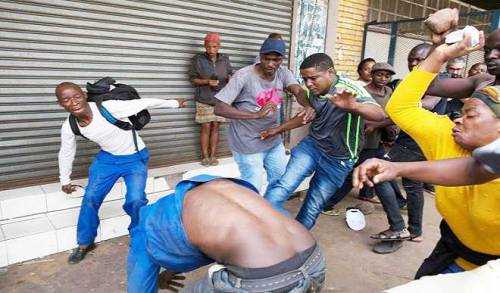


JOHANNESBURG – A violent wave of xenophobic attacks has erupted across South Africa, with local mobs specifically targeting Nigerians and other Black foreigners, demanding they leave the country immediately.
The unrest is characterized by aggressive “Go back and fix your country” rhetoric, as vigilante groups confront African migrants in the streets, hospitals, and residential areas.
Tensions Explode Over “Nigerian King” and Border Controls
Recent violence has been exacerbated by local outrage over the controversial installation of a Nigerian Igbo chief, Solomon Eziko, as “Igwe Ndigbo” on South African soil—a move local groups cited as a disrespect to South African sovereignty. In Eastern Cape cities like East London, protests against the coronation turned violent, with reports of Nigerians being humiliated, battered, and their businesses shut down.
Furthermore, the civic group “March and March” led a demonstration in Durban on April 21, 2026, specifically naming Nigeria as one of the countries “flooding” South Africa and demanding stricter border controls.
Physical Assaults and Scapegoating
In documented incidents, groups have been seen conducting “spot checks,” attacking individuals unable to speak local Zulu or Xhosa dialects. One viral video from April 21 showed a migrant surrounded by a mob questioning why he was in South Africa instead of improving his home nation. There are also reports of mobs entering hospitals to demand that migrants be denied medical treatment, claiming local resources should be reserved solely for South Africans.
Nigeria’s Diplomatic Response
The Nigerian Ministry of Foreign Affairs and the Nigerians in Diaspora Commission (NiDCOM) have confirmed that they are investigating these latest threats. Minister of Foreign Affairs, Geoffrey Onyeama, previously described the looting and burning of Nigerian shops as “sickening,” warning that Nigeria will take definitive measures to protect its citizens.
Despite counter-protests by groups like Kopanang Africa Against Xenophobia (KAAX), the atmosphere remains volatile, with many Nigerians in the diaspora now living in fear of further retaliatory violence.