By News Analysis Desk
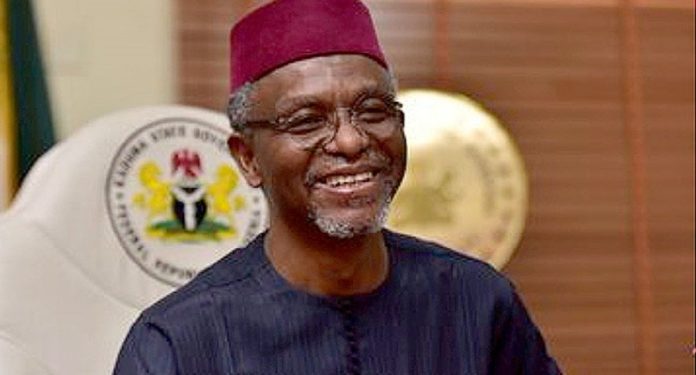
ABUJA – As the former Governor of Kaduna State, Mallam Nasir El-Rufai, faces the heat of an intense financial probe by the Economic and Financial Crimes Commission (EFCC), a fierce debate has ignited across the country. While his supporters cry foul, labeling the investigation a “political witch-hunt,” a growing segment of the Nigerian public is offering a blunt reality check: El-Rufai is no innocent bystander in the current state of the nation.
To understand the lack of widespread public sympathy for the former governor, one must look back at the 2023 general elections. El-Rufai was not just a supporter of the current administration; he was its most aggressive salesman. He traversed the country, dismissing critics with characteristic bluntness and justifying the very political calculations that have now culminated in the economic hardship many Nigerians are currently enduring.
From the removal of fuel subsidies to the floating of the Naira, the policies now biting hard into the pockets of the masses were championed by the same intellectual circle El-Rufai anchored. When warnings were raised about the potential for inflation and economic collapse, the former governor was often the first to mock dissenters, branding them as “politically motivated” or “short-sighted.”
Now that the political tide has shifted and he finds himself outside the inner circle of power, there is a perceived attempt to rebrand El-Rufai as a victim of the same system he helped refine. This “backseat driver” approach to grievance has not sat well with many.
“You cannot sell fire to a community and then ask for tears when the flames eventually reach your own house,” noted one social media commentator, echoing a sentiment that has gone viral. The argument is simple: sympathy is earned through consistency, not convenience.
While legal experts agree that the abuse of state power and selective justice must be condemned, they also point out that El-Rufai spent eight years strengthening the executive’s hand. He operated within a system where the “ends justified the means,” a philosophy that is now being turned against him.
As the Hilux vehicles loaded with documents are unloaded at the EFCC Headquarters, the narrative is shifting. This is no longer just about the ₦423 billion allegedly missing from Kaduna’s coffers; it is about political accountability.
Nigeria’s history is a meticulous record-keeper. It remembers who spoke when it mattered and who remained silent—or worse, who cheered as the foundations of the current economic crisis were laid. As the probe continues, the public remains watchful, reminding the political class that you cannot disown the consequences of the system you helped create just because you are no longer the one holding the remote control.