

.
.
.
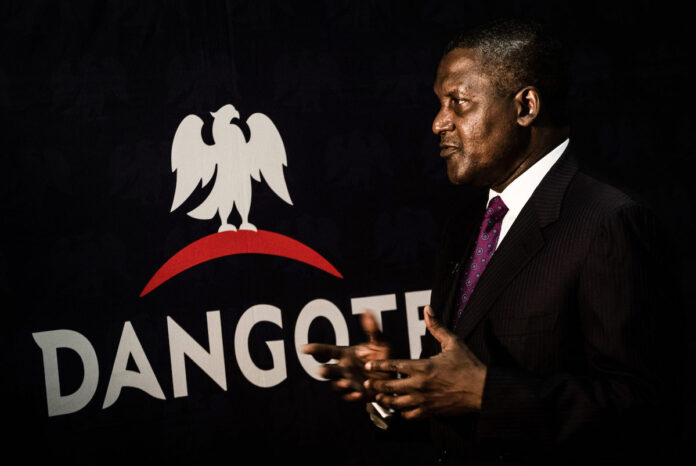
LAGOS, Nigeria (September 11, 2026) — Dangote Petroleum Refinery has raised its ex-gantry price for Premium Motor Spirit (PMS), commonly known as petrol, by ₦85 per litre, pushing the wholesale price from ₦1,265 to ₦1,350 — a 6.7 percent increase that is expected to ripple through pump prices nationwide in the coming days.
According to Petroleumprice.ng, which tracks the refinery’s pricing data, the new gantry price now sits above the current petrol landing cost of ₦1,311.36 per litre, reflecting a sharp rise in international crude prices and higher costs of replenishing petroleum product stocks. Brent crude, the benchmark for Nigerian oil, was trading at roughly $107.86 a barrel on Friday after briefly climbing above $108, driven largely by disruptions tied to the ongoing US-Iran conflict, which has affected oil production and shipping routes in the Middle East and the Strait of Hormuz.
The increase marks the latest swing in a volatile few months for Dangote’s pricing. The refinery cut its petrol price by ₦75 to ₦1,175 per litre in June, as global crude prices eased following a temporary de-escalation in Middle East tensions. Prices have moved repeatedly since, including a rise to ₦1,350 in May — Dangote’s 12th price adjustment between January and May — before being reversed to ₦1,275 and later cut further to ₦1,200. Retail pump prices have tracked these gantry adjustments closely; in late August, motorists in parts of the Federal Capital Territory and Enugu State reported pump prices as high as ₦1,330–₦1,350 per litre following a string of gantry increases.
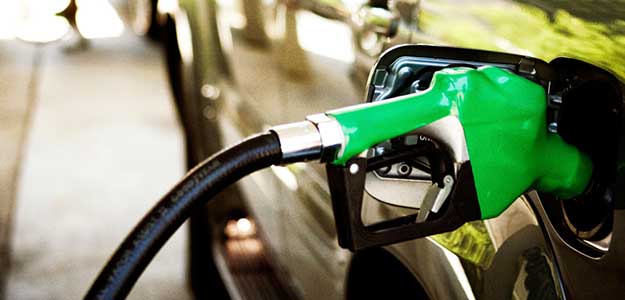
Depot marketers across the country have reportedly already been selling at elevated prices in anticipation of the latest hike, and are now expected to revise pricing structures further in response. Industry operators say the increase is likely to filter through to pump prices at filling stations nationwide within days, adding fresh pressure to transport costs, food prices, and household budgets already strained by high living costs.
Impact on Households and the Wider Economy
For millions of Nigerian households, a fresh jump in the pump price of petrol translates almost immediately into higher costs across daily life. Transport fares — for commercial buses, tricycles (“keke”), and ride-hailing services — typically adjust within days of a gantry price change, since fuel remains the single largest input cost for operators. Traders and logistics companies that rely on petrol-powered generators or delivery vehicles are also likely to pass on higher operating costs to consumers, feeding into the price of food, retail goods, and other essentials at a time when headline inflation remains a persistent concern for policymakers.
Small businesses that depend on generators for power, given Nigeria’s unreliable electricity grid, are especially exposed to these swings, since fuel represents a recurring operational expense rather than a one-off cost. Analysts have repeatedly noted that petrol price volatility of the kind seen since Dangote Refinery began setting domestic benchmark prices tends to compress margins for small and medium enterprises faster than it does for larger firms with more pricing flexibility or fuel-hedging capacity.
The Independent Petroleum Marketers Association of Nigeria (IPMAN) has, in past rounds of similar increases, said the pace of adjustments makes it difficult for its members to maintain stable retail prices, since gantry costs can shift multiple times within a single week. That dynamic has been visible again in recent months, with Dangote’s ex-depot price moving from ₦1,165 to ₦1,185, then ₦1,200, and now up to ₦1,350 in a series of rapid adjustments since late August.
Broader Context
The repeated volatility underscores the extent to which Nigeria’s domestic fuel prices — even with expanding local refining capacity — remain closely tied to swings in the international crude market, particularly amid the continuing geopolitical disruption stemming from the Iran conflict. With Brent crude trading above $107 a barrel and the Strait of Hormuz affected by the broader US-Iran war, alongside the Houthi movement’s recent seizure of Perim Island and the Bab el-Mandeb Strait, analysts have warned that global shipping and crude-supply routes face compounding pressure that could keep upward pressure on Nigerian pump prices in the near term, regardless of gains in domestic refining capacity.
The Dangote Refinery, since ramping up production, has increasingly become the reference point for Nigeria’s downstream pricing, meaning its gantry adjustments now carry outsized influence over what motorists and businesses across the country ultimately pay — a dynamic that puts the refinery’s pricing decisions squarely at the center of public debate over the cost of living, alongside ongoing political disagreements over subsidy policy, including the ADC’s recent proposal for a crude production subsidy aimed at insulating local refining from these same global price swings.
This is a developing story.