


By 247ureports Staff | August 29, 2026
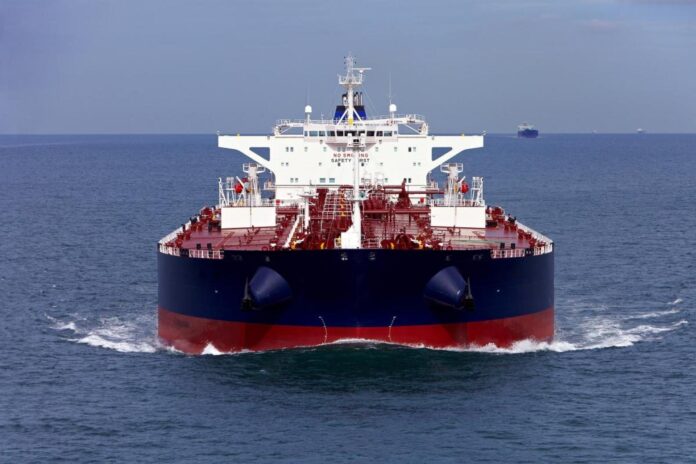
The United States says it has regained control of most of the Strait of Hormuz after nearly six months of military operations aimed at reopening the vital waterway, as shipping traffic shows early signs of recovery from a crisis that has rattled global oil markets since late February.
Mines Cleared From Main Shipping Lanes
U.S. Central Command commander Adm. Brad Cooper announced this week that American forces have cleared Iranian sea mines from the internationally recognized shipping lanes running through the strait. Cooper described the achievement as a major milestone, saying the lanes can now be transited freely and that momentum is building.
The mine-clearing operation involved Navy divers, Navy SEALs, and air power drawn from the Army, Navy, Air Force and Marine Corps, according to CENTCOM’s account of the mission.
More than 200 mine-like objects have reportedly been removed from the strait over the course of the campaign. President Trump has characterized Iran’s reaction to the ongoing U.S. presence as muted, and tanker traffic through the southern channel has climbed to an estimated 20 to 30 vessels per night, carrying as much as 10 million barrels of oil — though both figures remain below levels seen before the war began.
A Six-Month Campaign
The current mine-clearing success caps a military effort that began on February 28, when the U.S. and Israel launched a surprise campaign against Iranian targets, including the killing of Supreme Leader Ali Khamenei and other senior officials, touching off what is now known as the 2026 Iran war. Iran responded by moving to block the Strait of Hormuz, through which roughly a quarter of the world’s seaborne oil trade and a fifth of its liquefied natural gas trade normally pass.
In the months that followed, Iran’s Revolutionary Guard Corps warned shipping companies away from the strait, boarded and attacked merchant vessels, and laid sea mines along the waterway, prompting many firms to halt operations there entirely. The toll has been significant: at least 17 merchant ships damaged, two captured, a tugboat sunk, and 12 seafarers killed or missing, along with a port worker killed in Bahrain.
The U.S. answered with a sustained campaign starting March 19 to strike Iranian naval vessels, drone units and mine-laying boats, followed by a formal naval blockade of Iran from April 13 through late May. Washington also launched “Operation Project Freedom” in early May, a short-lived effort to escort merchant vessels through the strait that was suspended after Iranian boats were sunk and a French container ship was struck.
Verification Still an Open Question
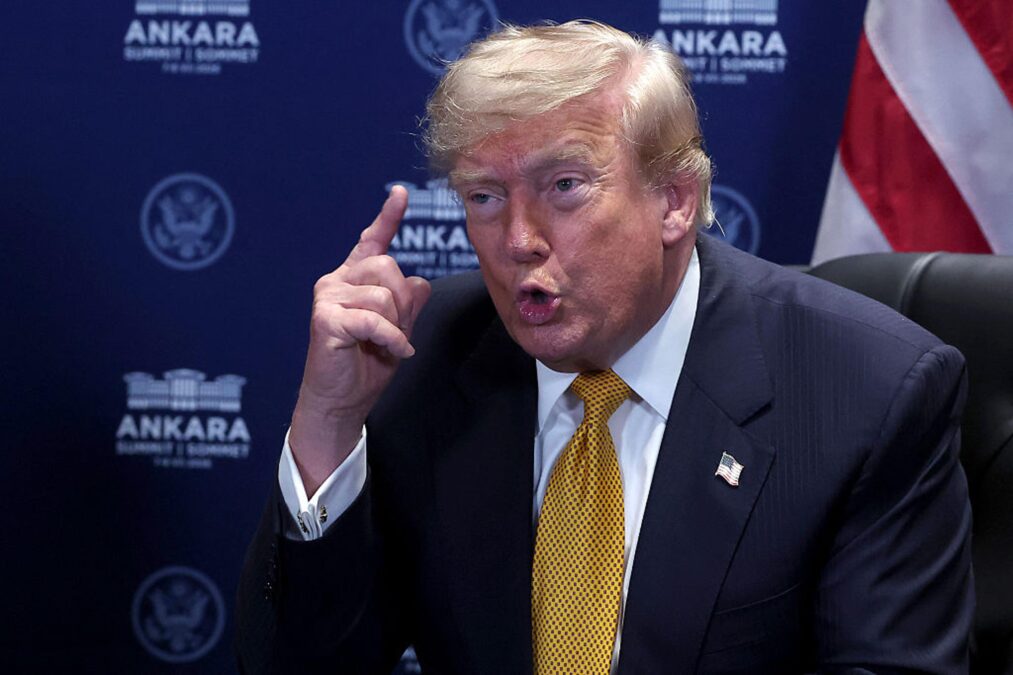
Despite the CENTCOM announcement, independent confirmation of the mine-clearing claim has so far been limited. An earlier assertion by President Trump that the Navy had removed or detonated all mines in the strait’s international waters was not independently verified at the time by CENTCOM or outside mine-clearing authorities, according to tracking of the conflict’s timeline.
That history injects a note of caution into this week’s declaration. While the reopening of the main shipping channel marks genuine progress, both traffic volumes and oil flows remain below pre-war levels, and Iran’s underlying capacity to re-mine the strait or resume attacks on shipping has been suppressed rather than eliminated.
Bottom Line
The clearing of mines from Hormuz’s primary shipping lanes represents the most concrete milestone yet in Washington’s monthslong campaign to restore free passage through one of the world’s most critical chokepoints. But with recovery still partial and Tehran’s response so far described only as restrained rather than absent, the strait’s full return to normal operation remains a work in progress rather than a finished story.







