
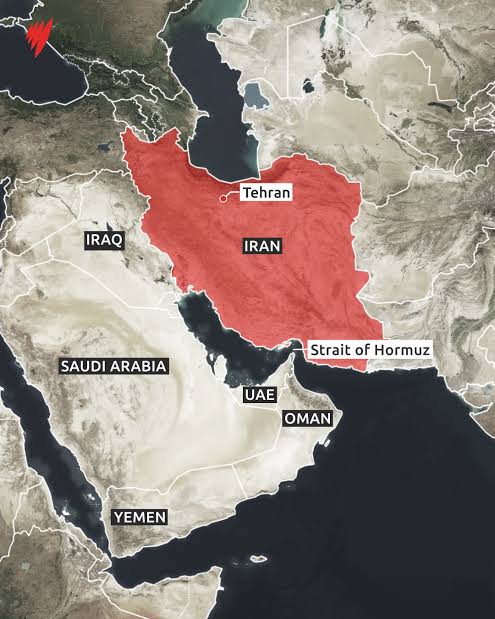


TEHRAN / WASHINGTON — Negotiations surrounding the reopening and management of the strategic Strait of Hormuz have hit a critical junction, as Iran presents a series of rigid demands in exchange for joint management of the waterway alongside Oman, according to reports from the Wall Street Journal.
The demands signal Tehran’s intent to leverage its position over the strategic maritime choke point to secure economic relief and formalize authority over Persian Gulf shipping routes.
Key Iranian Conditions for Joint Management
Under the proposed framework, Tehran is insisting on sweeping concessions from Washington and international maritime authorities before committing to full operational reopening:
- End to U.S. Naval Blockade: Immediate cessation of U.S. naval enforcement and interdiction operations targeting Iran-flagged and affiliated vessels.
- Comprehensive Energy Sanctions Relief: Total lifting of U.S. sanctions imposed on Iranian crude oil, petrochemical products, and natural gas exports.
- Recognition of Maritime Toll Authority: Explicit legal acknowledgment of Iran’s right to collect transit fees and maritime security levies from passing commercial vessels.
- Operational Control Over Maritime Traffic: Unilateral command over all inbound shipping routes entering the Strait, combined with joint supervision over outbound maritime traffic through Omani territorial waters.
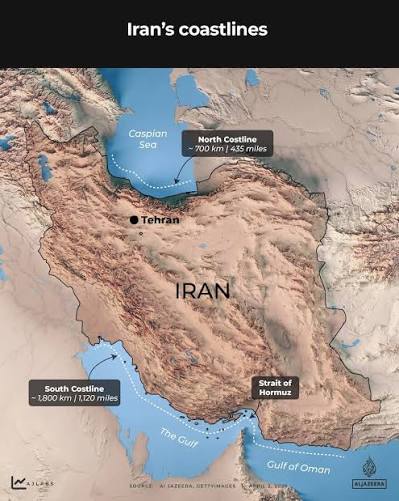
Geopolitical and Maritime Security Impact
The Iranian demands present a direct challenge to the principle of freedom of navigation in international waters and have met resistance from U.S. mediators and regional allies:
  CHOKEPOINT:         Strait of Hormuz (Persian Gulf)
  KEY DEMANDS:        Sanctions relief, end to US blockade, maritime fee collection rights
  TRAFFIC PROPOSED:   Full Iranian control over inbound lanes; shared supervision over outbound (Omani) lanes
  MEDIATORS:          Oman, Qatar
  U.S. / IMO STANCE:  Opposition to mandatory tolls and unilateral control over international shipping routes
Diplomatic Pushback
U.S. officials and international maritime bodies have previously maintained that any imposition of mandatory tolls or unilateral restrictions violates established international law governing transit passage. However, as talks mediated by Muscat and Doha continue, the future of global energy transit through the waterway remains closely tied to whether a compromise can be reached before existing temporary agreements expire.