


ABUJA, NIGERIA — International human rights groups and faith-based security watchdogs have issued a fresh wave of warnings over a violent spike in rural attacks across Nigeria’s Middle Belt, alleging that coordinated armed groups are preparing to launch a new phase of targeted operations against farming communities.
The security alert follows claims by international relief coordinators that at least 150 people were slaughtered in rural communities during the month of June 2026 alone. Critics have sharply attacked the federal administration, accusing top policymakers of attempting to downplay domestic humanitarian crises to smooth the waters for high-profile diplomatic engagements in Washington, D.C.
The June Casualty Assessment
The latest figures were thrust into the global spotlight by Judd Saul, the Executive Director of Equipping the Persecuted and an award-winning documentary filmmaker who has monitored Nigeria’s internal security parameters for over a decade.
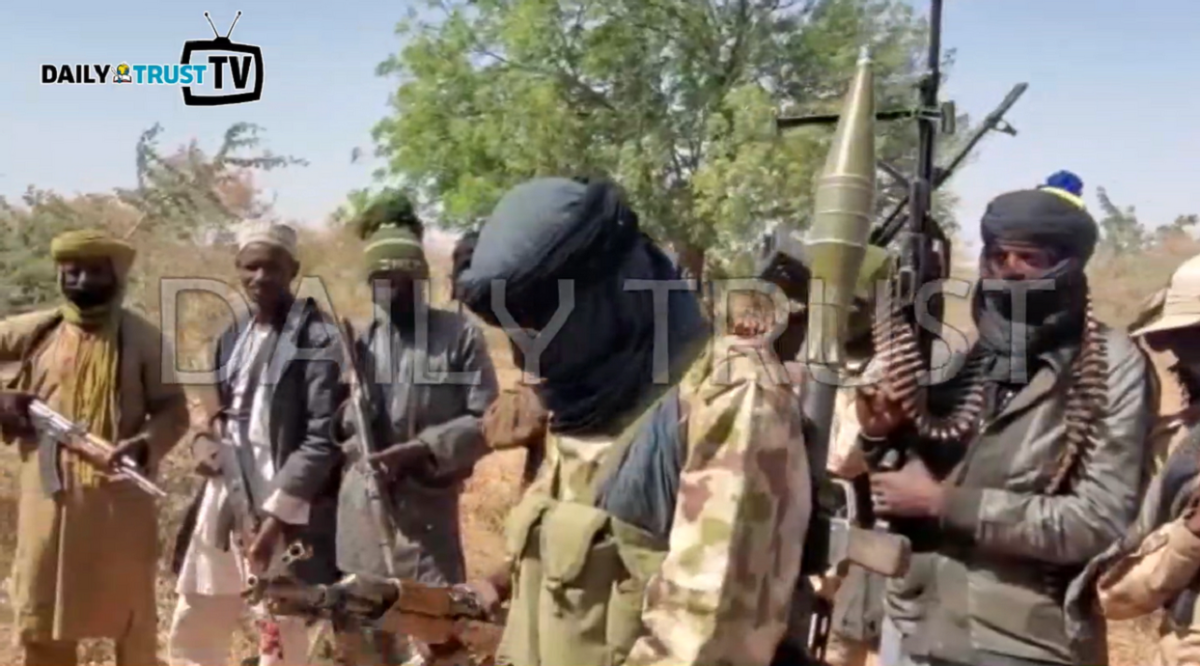
According to intelligence reports and tracking metrics compiled by his field team, tactical militia groups operating across Benue, Plateau, and Niger states have aggressively ramped up their operational footprint. The data indicates that local armed syndicates have shifted from opportunistic cattle rustling to systematic territorial displacement, leaving over 150 dead within a 30-day window.
In a newly released briefing video, Saul warned that the violence is far from over, presenting what he described as highly vetted, actionable intelligence regarding imminent attacks. The watch group named specific rural coordinates and border communities that are allegedly being actively surrounded by armed networks planning raids in the coming days.
Geopolitical Friction: The Washington Connection
The escalating security alarm has triggered a fierce domestic political debate regarding how the federal government handles security data. Civic activists and religious leaders are increasingly accusing the Bola Ahmed Tinubu administration of running an intentional public relations campaign to minimize international coverage of ethnic and religious violence.
Opposition figures claim that the sudden quietness from mainstream state media outlets regarding certain rural massacres is part of a deliberate strategy to shield the presidency from international embarrassment. This comes amid intense diplomatic efforts behind the scenes to coordinate an official state visit to the United States for a high-profile meeting between President Tinubu and U.S. President Donald Trump.
Lobbying watchdogs allege that millions of dollars are being poured into Western public affairs firms to project a flawless facade of national “security, tranquility, and stability”. Critics argue that acknowledging an ongoing, localized humanitarian crisis would shatter this manufactured narrative, causing local administrators to allegedly pressure village leaders and victims into keeping quiet about their losses.
Calls for Immediate Military Interdiction
Despite federal assertions that joint military exercises like Operation Safe Haven are actively containing the threat, rural advocacy groups maintain that the current security layout remains purely reactive.
“We are tracking exact locations where these killers are gathering, yet the state remains frozen,” a regional coordinator for a Middle Belt civil society group stated. “When diplomatic optics are valued over the lives of citizens on the ground, the entire national security architecture is compromised.”
As tension builds across the targeted communities, civil society coalitions have vowed to bypass domestic informational channels entirely, pushing their verified casualty trackers directly to international bodies like the United Nations and the U.S. Congress to demand immediate intervention and conditional diplomatic pressure.