
TEHRAN — Iranian officials have further escalated their posture over global maritime choke points, explicitly declaring that the Strait of Hormuz will never return to its pre-war operational status regardless of potential ceasefires or peace agreements.
In a series of uncompromising statements reported by state-aligned Tasnim News Agency, Deputy Foreign Minister Kazem Gharibabadi framed control over the strategic waterway as Iran’s ultimate defensive leverage, explicitly labeling it as Tehran’s “new nuclear weapon.”
Key Takeaways from Gharibabadi’s Warnings
The Iranian Foreign Ministry outlined several hardline positions regarding regional maritime traffic and foreign naval deployments:
- Permanent Control Policy: Gharibabadi emphasized that Tehran will no longer permit the traditional open transit through the southern corridor of the Strait, arguing that returning to previous arrangements would compromise Iranian national sovereignty.
- “The New Nuclear Weapon”: Describing the choke point as an essential defensive asset, Iranian officials asserted that holding control over the transit route provides a strategic deterrent equivalent to non-conventional weapons.
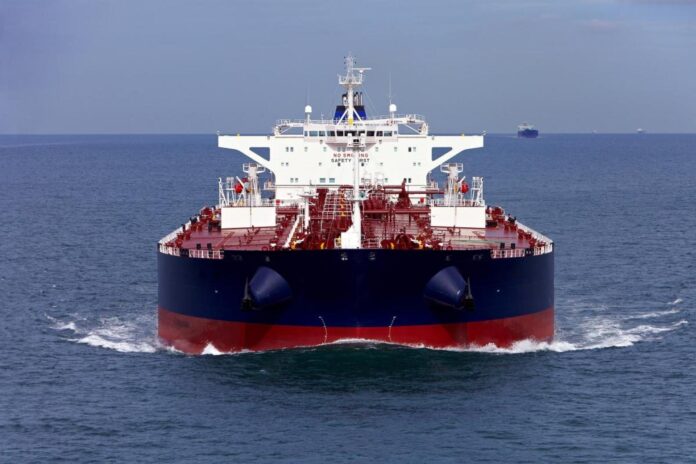
- European Warships Deemed “Legitimate Targets”: Issuing a direct operational threat to European powers, the Deputy Foreign Minister warned that any European naval vessel or warship attempting to approach or transit the Strait of Hormuz will be treated as a legitimate target for military strike operations.
- Rejection of Western Conditions: Iranian officials reiterated that no external deal, diplomatic framework, or resumption of active hostilities will alter Tehran’s sovereign control over maritime access along its coastlines.
Escalating Maritime Crisis
  STRATEGIC WATERWAY:   Strait of Hormuz (Handles ~20% of global oil transit)
  TEHRAN'S POSITION:    Permanent shift in transit rules; defensive leverage weaponized
  TARGETING THREAT:     European military & commercial vessels approaching the Strait
  PRIMARY SOURCES:      Tasnim News Agency / Iranian Ministry of Foreign Affairs
The warning follows joint statements from European powers—including France and the United Kingdom—expressing readiness to deploy maritime security operations to protect international commercial shipping corridors.
With Tehran asserting sovereign dominance over the narrow sea lane, international shipping bodies and global energy markets face severe uncertainty over the future of Persian Gulf transit safety.