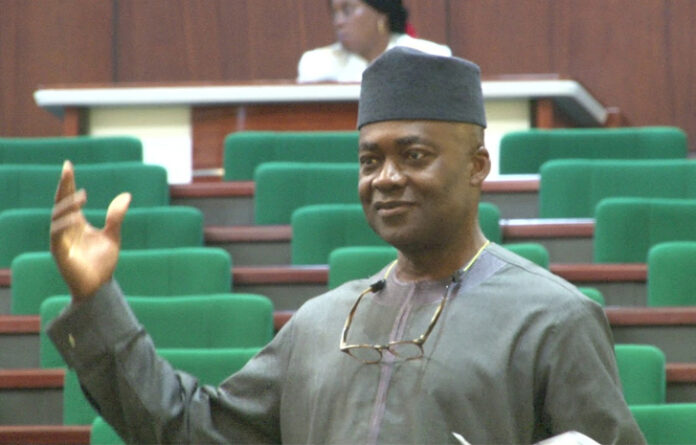

BENIN CITY — Former member of the House of Representatives, Hon. Sergius Ogun, has openly challenged the financial integrity of the presidency, demanding an immediate public accounting of the trillions of Naira supposedly saved from the combined removal of oil, light, and dollar exchange subsidies.
Ogun raised these critical financial queries while addressing public concerns regarding the administration’s fiscal choices. He drew a sharp contrast between the severe economic hardships forced upon ordinary Nigerians and the presidency’s unbudgeted multi-trillion Naira spending sprees on massive infrastructure projects.
A major focal point of his criticism targeted the controversial ₦15 trillion Lagos-Calabar Coastal Highway project, which Ogun asserted was awarded and pushed forward with a total disregard for statutory procurement laws and legislative due process.
“Where Is the Money Saved From the People?”
Ogun argued that the administration has consistently failed to transparently demonstrate the direct economic benefits or fiscal reserves generated from its aggressive elimination of oil, light, and dollar subsidies. He pointed out that while the civilian population was forced to absorb skyrocketing living costs under the guise of national sacrifice, the accrued savings have vanished from public oversight.
“We said we have made savings from unifying the exchange rate, removal of fuel subsidy, even the light subsidy was removed,” Ogun stated bluntly. “Tinubu is supposed to have made savings from all these subsidy removals. So where is the money?”
The former lawmaker emphasized that the lack of verifiable capital deployment into public welfare or critical structural repairs has fueled deep skepticism regarding the administrative management of public revenue.
+————————————————————————–+
| THE REVENUE DEBATE: SAVINGS VS. EXPENDITURE |
+————————————+————————————-+
| CLAIMED FISCAL SAVINGS | ADMINISTRATIVE ALLOCATION ALARMS |
+————————————+————————————-+
| Complete removal of downstream | Massive, unbudgeted capital outflows|
| oil (petrol) subsidy regimes. | to favored coastal contractors. |
+————————————+————————————-+
| Unification and floating of the | Disregard for statutory procurement |
| dollar exchange rate windows. | laws and infrastructure due process.|
+————————————+————————————-+
| Elimination of energy (light) | Absence of direct welfare padding |
| subsidies across electricity bands. | or local manufacturing relief. |
+————————————+————————————-+
The ₦15 Trillion Procurement Vulnerability
Ogun expanded his critique to target what he characterized as a complete breakdown of legislative oversight regarding major national contracts. He noted that committing ₦15 trillion to the coastal highway project without competitive bidding, thorough environmental impact assessments, or explicit prior authorization from the National Assembly sets a dangerous governance precedent.
The politician argued that bypassing standard regulatory frameworks enables high-level corruption and allows the executive arm to treat national resources as a private campaign fund.
The public indictment comes as opposition groups step up pressure on the Auditor-General for the Federation to launch an independent audit into the subsidy savings account. As of the conclusion of this report, neither the Federal Ministry of Works nor the Budget Office of the Federation has released a statement to counter Hon. Ogun’s financial allegations.