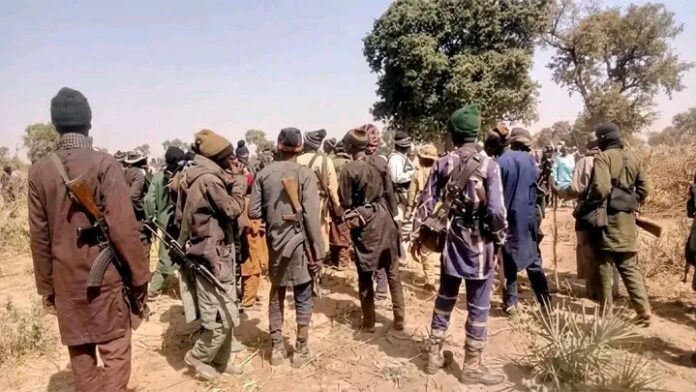


JOS, NIGERIA — A coordinated wave of violent attacks, bold highway abductions, and massive civil unrest has simultaneously struck Nigeria’s North-Central and South-West regions, triggering nationwide anger over the perceived silence of the Federal Government. In a brutal late-night assault on a rural community in Plateau State, armed men massacred at least 22 people, including frontline health workers and local security personnel. Simultaneously, strategic economic hubs in Ondo and Oyo states have plunged into chaos following a series of high-profile kidnappings that brought citizens out onto the streets in furious protest.
As the security situation falls apart on multiple fronts, affected populations express deep frustration with what they call an unsympathetic and detached response from the presidency.
+—————————————————————–+
| NATIONAL INSECURITY FLASHPOINTS |
+——————-+———————————————+
| Location | Incident Profile / Current Status |
+——————-+———————————————+
| Bokkos, Plateau | 22 killed at Kawel village; clinic attacked |
| Akure, Ondo | Twin raids; 9 surveyors & families abducted |
| Ibadan, Oyo | Mass protests; 40+ students still captive |
| Community Level | Unarmed women forming local night vigilantes |
+——————-+———————————————+
The Plateau Massacre: Target on Healthcare and First Responders
The deadliest single attack occurred at Kawel village within the Mushere District of Bokkos Local Government Area, Plateau State. Gunmen invaded the rural settlement under the cover of darkness, firing indiscriminately into residential buildings.
In a shocking departure from standard conflict patterns, the attackers explicitly targeted the community’s primary healthcare center. According to emergency response officials, the gunmen stormed the facility and opened fire on patients and medical staff, leaving 22 dead and dozens of others fighting for their lives with severe gunshot wounds.
Kidnapping Epidemic Sparks Border-to-Border Chaos in the South-West
In Ondo State, panic gripped the Owo and Akure North axes after armed groups carried out daring twin raids. Gunmen struck the Ilu-Abo community along the Airport-Owo expressway, abducting a mother and her two children while leaving three onlookers critically wounded. This followed the unresolved kidnapping of nine professional surveyors who were taken captive near Owode, with their captors demanding a staggering ₦100 million ransom.
In neighboring Oyo State, the capital city of Ibadan was completely grounded as furious protests paralyzed major arteries, including the busy Iwo Road. Demonstrators took to the streets to demand the immediate rescue of over 40 pupils, students, and teachers who were forcefully abducted from three schools in the Oriire Local Government Area. Public anger boiled over following reports that one of the abducted schoolteachers had been brutally beheaded in the bush, while the status of the remaining children remains entirely unknown.
The Defence Headquarters stated that the sudden spike in South-West criminality is a direct consequence of military pressure in other regions, which has pushed displaced armed bandits into previously stable southern border towns.
“Unsympathetic and Aloof”: Presidency Faces Severe Public Backlash
Compounding the grief of the victims’ families is a rising wave of political condemnation aimed at the presidency’s management of the national security crisis. Activists and local leaders have openly criticized the administration’s perceived detachment from the human cost of the violence.
Public anger has intensified over recent presidential visits to volatile states, where the commander-in-chief reportedly refused to leave the high-security perimeters of local airports to inspect affected communities or visit the actual scenes of the massacres. In highly controversial logistical moves, traumatized victims and displaced community elders had to be heavily bused to airport tarmac holding areas just to obtain brief audience access. This hands-off approach has led civil society groups to label the administration’s response as insulated from the grim realities on the ground.
Unarmed Women Form Vigilante Groups to Guard Communities
Faced with what they view as a total collapse of state protection, ordinary citizens are resorting to extreme measures to survive. In Jos and surrounding rural districts, an unprecedented grassroots movement has emerged, featuring all-female vigilante units.
Driven by the need to protect their children and fill the security vacuum left by regular security forces, groups of Christian and Muslim women have united to conduct dangerous night patrols. Lacking firearms and government funding, these women patrol dark streets armed only with flashlights and whips. While they have successfully intercepted local thefts and early warning signs of conflict, observers warn that forcing unarmed women into active defense roles highlights a structural failure in the federal government’s primary duty to protect its citizens.