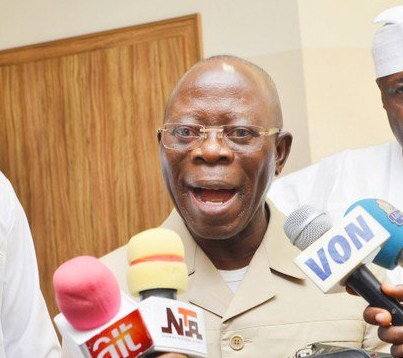

ABUJA, Nigeria — The Nigerian Senate was thrown into a state of visible disorder on Wednesday following a heated confrontation between Senate President Godswill Akpabio and Senator Adams Oshiomhole (APC, Edo North). The clash occurred less than 24 hours after the red chamber amended its standing rules to restrict leadership positions to senators who have served at least two consecutive terms.
The tension erupted during the commencement of plenary as Akpabio proceeded with the day’s legislative business. Oshiomhole repeatedly interjected with a “Point of Order,” an action Akpabio ruled against, stating that such interventions were not permitted at that specific stage. As the disagreement escalated, Akpabio issued a stern warning to the former Edo State Governor, telling him that if he is a senator, he must abide by the rules. The Senate President further threatened to have Oshiomhole “taken out” of the chamber if he continued to disrupt proceedings.
The confrontation is a direct fallout of Tuesday’s amendment to the Senate Standing Orders. Under the new guidelines, only senators who have served at least two consecutive terms—specifically the 9th and the current 10th Assemblies—will be eligible to vie for presiding offices in the next cycle. The amendment establishes a strict hierarchy for nominations, prioritizing former Senate Presidents and returning senators with at least one full term of immediate experience.
By mandating that at least one term must immediately precede the election, the new rules effectively disqualify first-time entrants and returning politicians who were not part of the current assembly from leadership roles. While Akpabio defended the changes as a means to ensure “institutional stability and continuity,” Oshiomhole has voiced concerns that the move undermines democratic inclusiveness and restricts the rights of lawmakers.
Senate Chief Whip Mohammed Monguno and Senator Orji Uzor Kalu both intervened during the session to guide Oshiomhole on the chamber’s traditions, with Monguno warning that he would invoke disciplinary powers if the Edo North senator remained unruly. The session eventually continued, but the rift highlights growing internal friction over the future of Senate leadership.