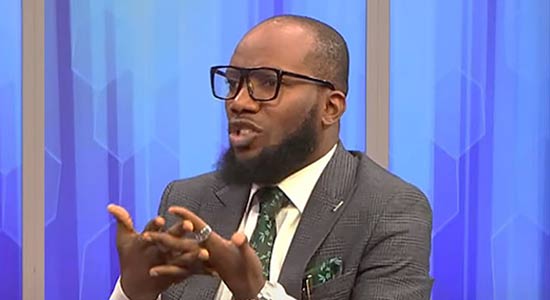


LAGOS, NIGERIA — Human rights activist and prominent legal practitioner Inibehe Effiong has raised an alarm over what he describes as an unprecedented campaign of political capture and the systematic compromise of previously principled individuals by the President Bola Ahmed Tinubu administration.
The Lagos-based lawyer stated that the level of political buying and selling under the current dispensation is actively destroying the country’s remaining moral fabric.
Erosion of Integrity
Effiong expressed deep concern over the rapid loss of public integrity among civil society leaders, professionals, and commentators. He noted that individuals who once stood firmly against bad governance and economic hardship have suddenly lost their voices in the face of ongoing national struggles.
“By the time Bola Tinubu is done destroying this country, we will have to conduct a special census to determine the number of people whose integrity are still intact,” Effiong stated. “Tinubu is buying and compromising people in an unprecedented way. People we thought were principled are now blind, deaf and dumb to bad governance in our country.”
The Guise of Neutrality
The legal practitioner also turned his lens on public figures and commentators who have adopted a stance of pseudo-neutrality amidst rising inflation, subsidy removal impacts, and security challenges. He argued that the current wave of “neutrality” is merely a calculated political strategy designed to protect personal interests while subtly defending the ruling party.
According to Effiong, these individuals are actively making excuses for the administration’s economic policies while simultaneously engineering opposition against any collective civil efforts to challenge the socioeconomic status quo. He warned that this passive collusion is making it increasingly difficult for citizens to organize and demand genuine institutional accountability.
Growing Discontent
Effiong’s scathing critique reflects a broader sentiment shared by several civil society groups and opposition figures who accuse the administration of weaponizing state patronage to silence dissent.
As the country navigates a prolonged cost-of-living crisis, critics argue that the federal government has prioritized political consolidation and the co-optation of influential voices over implementing structural solutions to revamp power, security, and healthcare infrastructure.