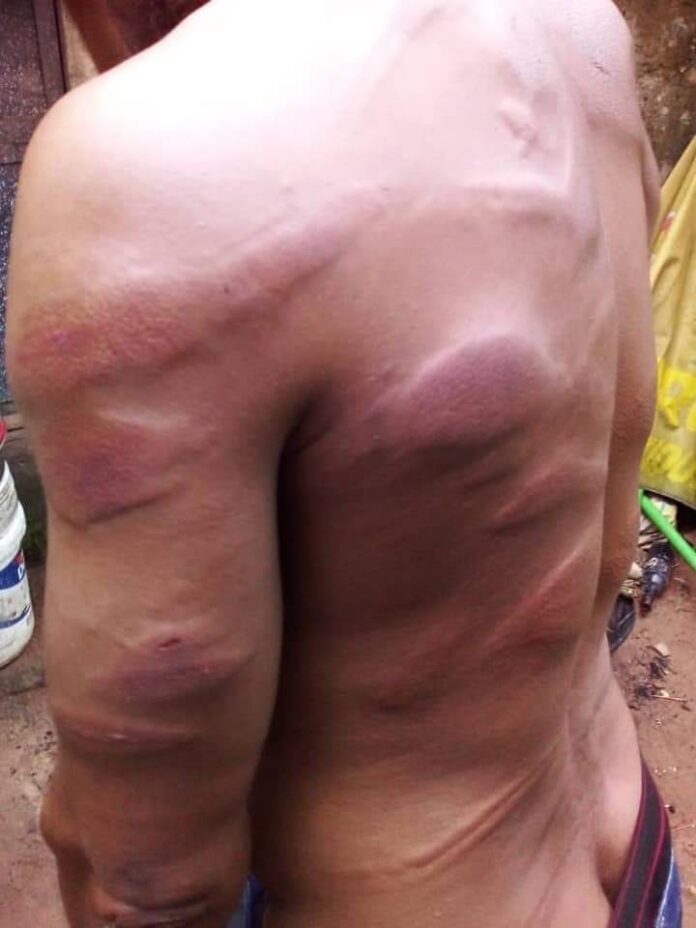


ABUJA — Tension is mounting across the country following the emergence of a disturbing viral video purportedly showing the brutal torture of Christian worshipers. The footage, which began circulating on social media this week, has triggered a wave of condemnation from citizens and rights groups who describe the treatment as “satanic and barbaric.”
A Pattern of Violence
The release of the video coincides with a period of heightened insecurity and religious friction. Just days ago, a political gathering for Hon. Ikenga Imo Ugochinyere at the Christ Anglican Church in Ntueke, Imo State, was violently disrupted. Security agents and armed thugs reportedly stormed the venue, firing live rounds and tear gas into the crowd. Over six people were left with severe injuries, and church property was vandalized.
For many, these events are not isolated. Reports from Northern and Middle Belt regions continue to paint a grim picture of communities “going through hell,” with worshipers frequently targeted by kidnappers, insurgents, and, in some cases, heavy-handed security operations.
Growing Calls for Justice
Public reaction to the latest footage has been one of visceral horror. Critics argue that the government’s failure to secure these communities and prosecute perpetrators has emboldened attackers.
“How is this country still viable when people are being treated like animals for their faith or political leanings?” one activist questioned in a trending post. “We are seeing a total collapse of the protection of the common man.”
Authorities Under Pressure
While the Nigerian Army and Police Command have previously vowed to investigate cases of misconduct, the sheer frequency of these videos has left the public skeptical. Human rights observers are now calling for an independent inquiry into the latest torture footage to identify the perpetrators and their victims.
As the video continues to trend globally, there is increasing pressure on the Presidency to address the systematic persecution of religious minorities and the use of state security forces to suppress civic engagements. For now, the victims of these “barbaric” acts remain without answers, while their communities live in a state of constant fear.