


.
.
.
.
By News Desk
ABUJA, Nigeria — Sharp contradictions have emerged between official public statements issued by the presidency and formal legal motions filed in Washington D.C., raising serious questions over the government’s narrative surrounding President Bola Ahmed Tinubu’s historical law enforcement records in the United States.
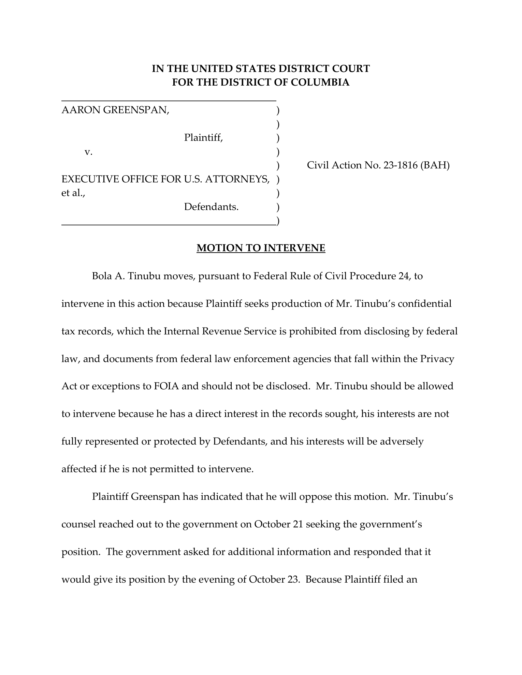
While administration officials continue to publicly dismiss questions regarding a 1993 Chicago narcotics investigation as a settled civil matter involving no wrongdoing, court dockets in the ongoing Freedom of Information Act (FOIA) lawsuit—Aaron Greenspan v. Executive Office for U.S. Attorneys et al. (Civil Action No. 23-1816)—show the President’s legal team and federal agencies taking extraordinary steps to block the public release of sensitive investigative files.
The Disconnect Between Public Claims and Legal Actions
Political analysts and legal observers point to key discrepancies between public relations messaging from the State House and arguments presented before U.S. District Judge Beryl A. Howell:
- Public Claims of Innocence vs. Sealed Court Filings: While government representatives maintain that the 1993 case (United States v. Funds in Account 26322671 et al.) involved solely a civil asset forfeiture without criminal exposure, the Federal Bureau of Investigation (FBI) recently petitioned the court to submit declarations ex parte and under seal (in camera). The FBI specifically invoked statutory FOIA Exemption 7(F), which is reserved for protecting sensitive law enforcement techniques and safeguarding individuals from physical safety risks—a standard typically applied in criminal informant and high-level narcotics cases.
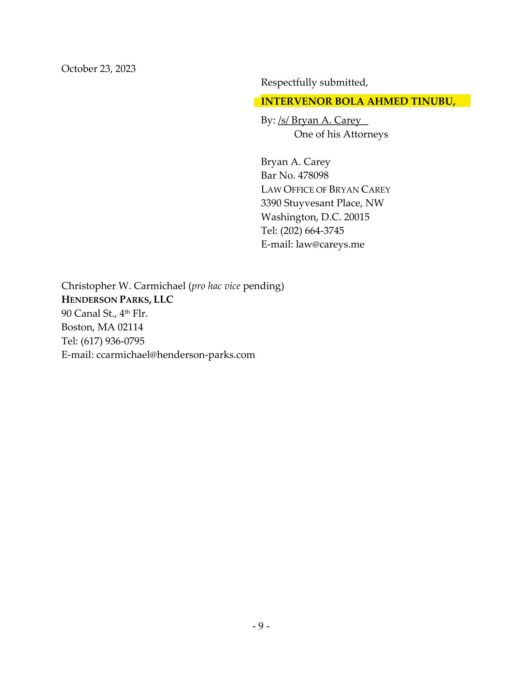
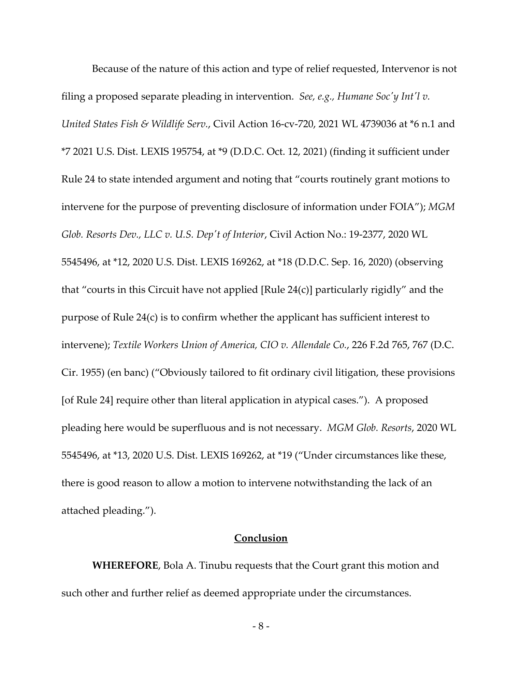
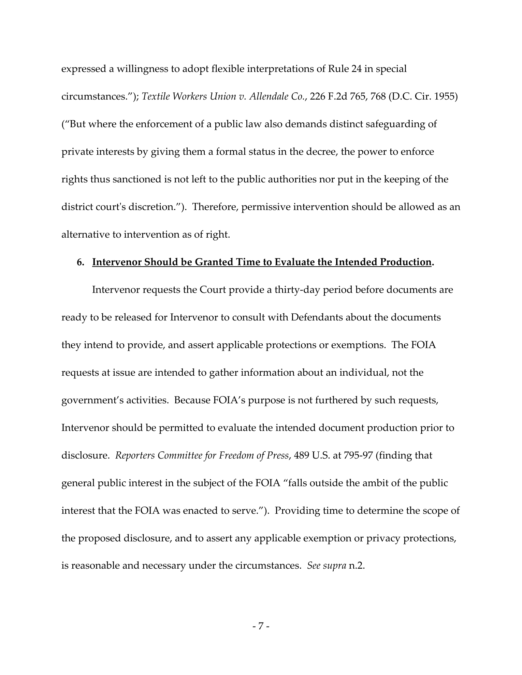
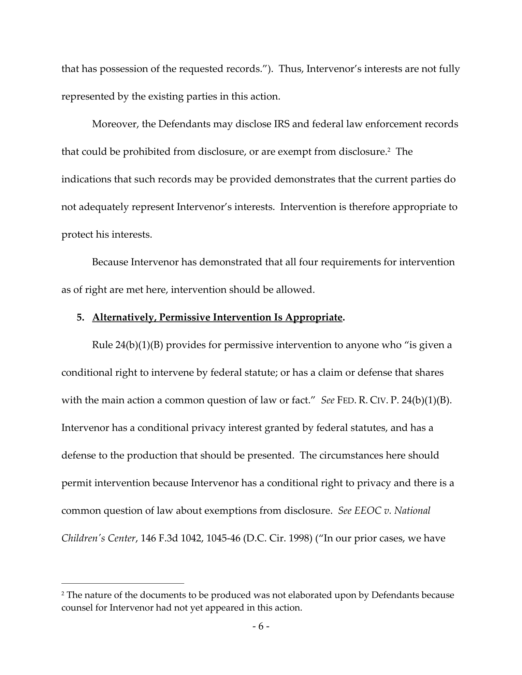
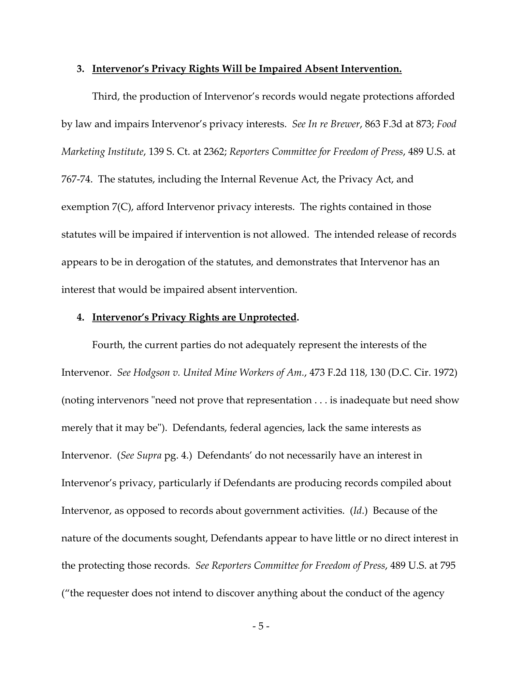
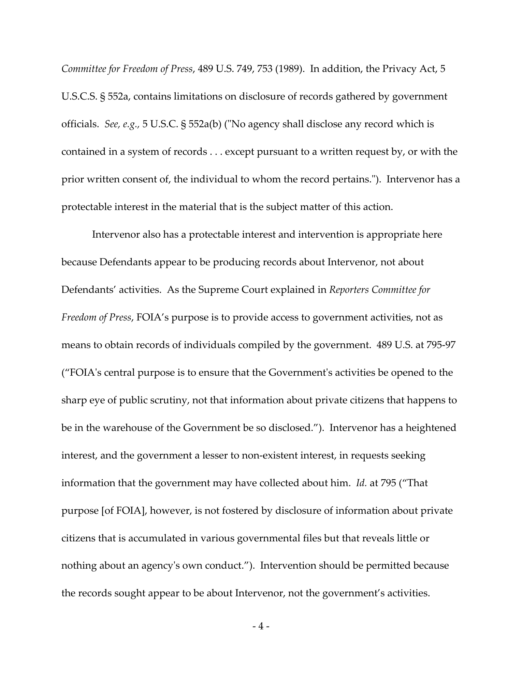
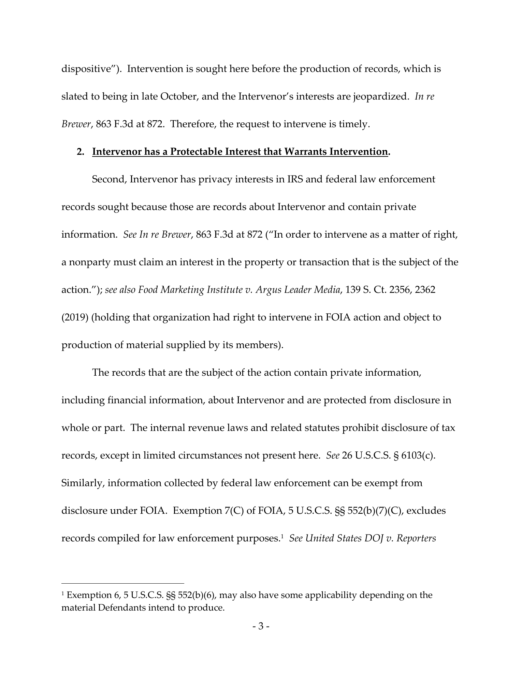
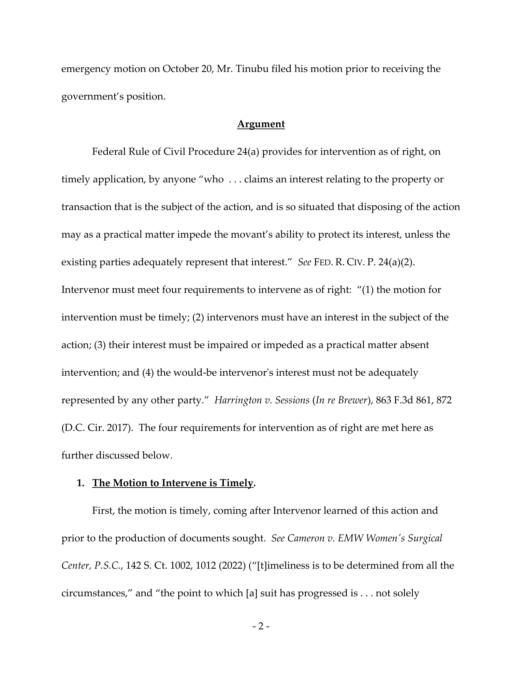
- Direct Intervention to Block Records: Despite claims that there is “nothing to hide,” President Tinubu’s U.S. attorneys filed a motion to intervene in the suit under Rule 24 of the Federal Rules of Civil Procedure. The legal team explicitly urged the court to grant additional time to review and object to document productions, citing personal privacy protections under the Privacy Act and tax confidentiality laws (26 U.S.C. § 6103).
- Abandonment of “Glomar” Denials: For years, federal agencies maintained a “Glomar” stance, refusing to confirm or deny whether investigative files on Tinubu existed. The transition to filing motions for private judicial review confirms that responsive law enforcement files do exist, directly challenging assertions that the matter was purely a routine financial dispute.
Growing Outrage and Reputational Impact
The legal maneuvering in Washington has triggered widespread criticism from civic organizations, legal experts, and opposition leaders who argue that the executive branch is misleading the public while using foreign legal mechanisms to conceal historical facts:
- Erosion of International Image: High-earning Nigerian professionals and business leaders across the diaspora express growing concern that prolonged legal battles over drug-trafficking files in foreign courts inflict continuous damage on Nigeria’s standing in global financial and diplomatic circles.
- Calls for Full Disclosure: Transparency advocates maintain that if the administration’s claims of complete exoneration are accurate, the executive branch should welcome the unconditional release of the files rather than fighting to keep them sealed behind closed judicial doors.
As the August 28 deadline for final opposition filings approaches in the District of Columbia, public scrutiny continues to mount over whether the administration’s public claims can withstand the private judicial review of the FBI’s investigative documents.