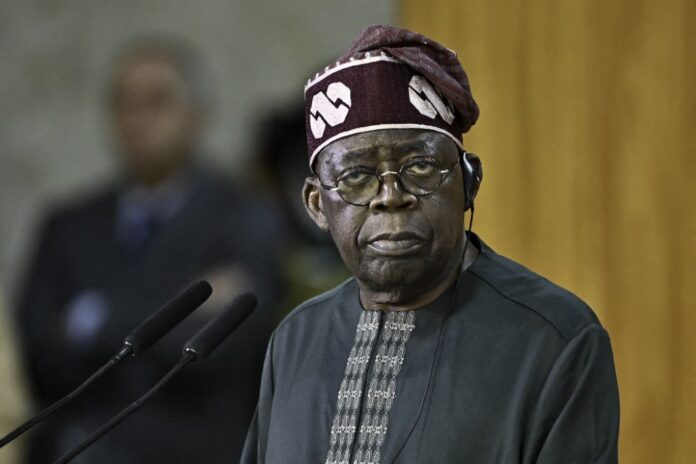

WASHINGTON / ABUJA — U.S. government affairs firm Von Batten-Montague-York, L.C. has accused the Nigerian Presidency of attempting to execute a diplomatic distraction by releasing a weeks-old letter from U.S. President Donald Trump in response to the firm’s ongoing anti-Tinubu lobbying drive in Washington.
In a public statement issued on Thursday, Dr. Von Batten claimed the release of the correspondence—dated July 6, 2026, but published by Presidential Spokesman Bayo Onanuga on July 22—was timed to create the impression that the White House endorsed President Bola Tinubu after the firm submitted a 60-page narcotics investigation dossier to U.S. officials.
Dr. Von Batten further disclosed that he personally briefed key members of the White House and senior congressional staff, including the office of Senator Ted Cruz, regarding what he termed a calculated public relations maneuver by the Nigerian government.
Timeline Dispute and Washington Briefings
The row centers on the publication of a commendation letter from President Trump, in which the U.S. leader lauded President Tinubu’s “decisive leadership” in combating regional terrorism and protecting vulnerable religious communities under the U.S.–Nigeria 2026 Defense Cooperation Roadmap.
However, the U.S. lobbying firm argued that the Presidency circulated the graphic detailing the correspondence weeks after its stated July 6 date specifically to counter the firm’s submission of certified U.S. Department of Justice (DOJ) forfeiture records to the Trump administration.
“President Tinubu’s apparent objective was to make it seem that the alleged letter from President Donald Trump to him was sent after we briefed the White House on Tinubu’s alleged heroin trafficking link,” Dr. Von Batten stated, adding that his team is actively investigating claims regarding the authenticity and release timeline of the presidential correspondence.
Presidency Dismisses Timing Concerns, Cites Security Cooperation
The Nigerian Presidency has swiftly pushed back against the firm’s allegations, dismissing concerns over the release date and maintaining that the core focus remains the concrete results of bilateral security operations.
Speaking on television broadcasts addressing the controversy, Presidential Adviser Daniel Bwala maintained that the correspondence reflects genuine diplomatic recognition of Nigeria’s counter-terrorism strides.
“Is the content of the letter false? You have to concentrate on the essentials in order not to be distracted,” Bwala stated, emphasizing that joint operations under the framework—including intelligence sharing that led to the elimination of senior Islamic State commanders in the Lake Chad region—demonstrate tangible progress between Abuja and Washington.
Domestic Fallout Over US Lobbying Battle
The public clash between Washington lobbyists and Aso Rock has sparked fierce political debate within Nigeria.
Former Senator Shehu Sani condemned the opposition’s engagement of foreign lobbying firms to highlight historical legal cases against a sitting president, warning that such campaigns risk damaging the nation’s international standing, exposing citizens to visa restrictions, and inviting foreign sanctions.
Conversely, opposition representatives defended public access to archived U.S. law enforcement records, arguing that transparency regarding past federal court forfeitures remains a matter of public interest as both sides brace for further developments in Washington.