

ABUJA, NIGERIA — Apprehension is mounting within Nigeria’s political opposition over the accelerated push by President Bola Ahmed Tinubu and the ruling All Pensions Congress (APC)-dominated National Assembly to establish state police, with critics raising the alarm over potential election rigging ahead of the 2027 general elections.
A leading voice in the pushback, Peter Obi, has formally urged the Federal Government to defer the implementation of the state policing framework until after the 2027 polls, warning that the system could easily be weaponized by proxy to manipulate the electoral process.
A Commendable Step Plagued by Political Suspicion
The debate intensified following President Tinubu’s recent transmission of the executive bill for constitutional amendment on state police to the Senate. While many stakeholders agree that decentralizing the nation’s security architecture is long overdue given Nigeria’s complex security challenges, the timing and hurried legislative process have raised massive red flags.
In a strong statement titled “State Police: Commendable Step, but Disorderly Legislation Raises Concerns of Political Misuse,” Obi expressed deep reservations, criticizing the lack of public hearings and community input.
“Going by what Nigerians have seen so far, there is no guarantee that this administration can resist the temptation to take advantage of state policing to influence the 2027 general election by proxy,” Obi warned. “In view of that possibility and the danger it poses to the polity, it is necessary to defer its implementation until after the general election.”
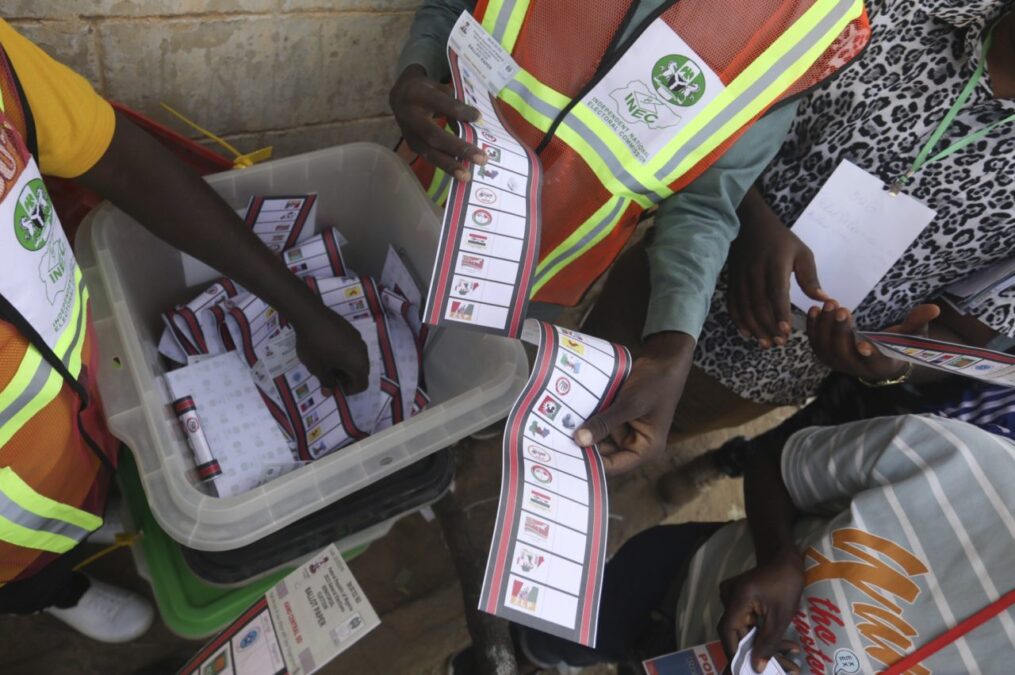
Fears of Proxy Election Rigging via Governors
The crux of the opposition’s anxiety lies in the potential for abuse by incumbent state governors, many of whom belong to the ruling APC. Critics and political analysts suspect that if state-controlled police forces are operational before 2027, the presidency could leverage loyal governors to forcefully influence, disrupt, or manipulate the conduct and outcome of the elections at the grassroots level.
Without independent oversight bodies, opposition members fear that state police will be deployed to intimidate political rivals, suppress votes, and dismantle opposition campaigns—effectively turning the security outfits into tools for institutionalized election rigging.
To mitigate these risks, Obi has called for the creation of independent, state-level Police Service Commissions that are completely insulated from executive influence, ensuring the law evolves into a genuine security mechanism rather than a “risky political gamble.”
What’s Next in the National Assembly?
With both chambers of the National Assembly heavily leaning toward the ruling party, the constitutional amendment bill is expected to move through the legislative pipeline swiftly. However, the growing outcry from opposition parties and civil society groups means the Tinubu administration will face intense scrutiny regarding the safeguards, oversight, and operational independence built into the final law.