
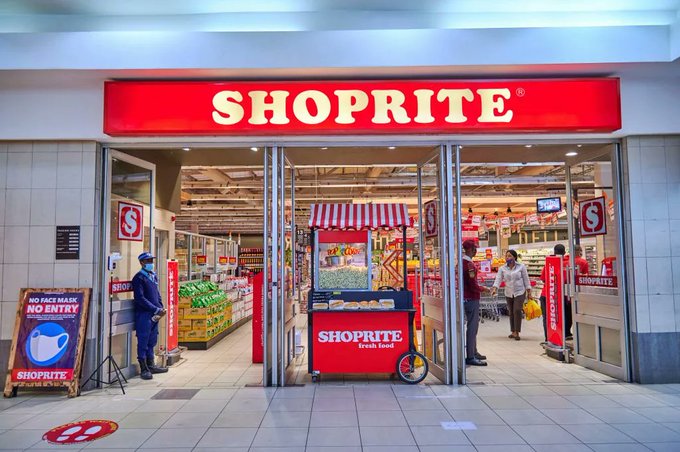
LAGOS, Nigeria — In a staggering blow to the nation’s retail sector, the once-dominant Shoprite has officially completed a total shutdown of its operations across Nigeria as of March 7, 2026. The final closures mark the end of a two-decade era for the South African-founded brand, which served as the cornerstone of Nigeria’s estimated ₦2.5 trillion mall economy.
The Final Collapse
The exit, described by analysts as an “epic collapse,” has reportedly wiped out approximately ₦1.4 trillion in value. Once a bustling hub of commerce, Shoprite outlets from Lagos to Abuja have been replaced by padlocked doors and deserted premises. The fallout extends far beyond the supermarket aisles, as hundreds of ancillary businesses—including boutiques, eateries, and cinemas that relied on Shoprite’s massive foot traffic—now face an uncertain future as “collateral damage.”
A Slow-Motion Exit
While the South African parent company officially sold the business to local investors, Ketron Investment Limited, in 2021, the brand has struggled under intense financial strain ever since. The decline accelerated through 2024 and 2025, characterized by:
- The “Pay-As-You-Sell” Crisis: New management reportedly introduced a controversial payment model that left suppliers unpaid for months, leading to widespread stockouts and famously empty shelves.
- Mounting Debts: Recent court documents revealed a ₦1.76 billion judgment against the operator, Retail Supermarkets Nigeria Limited (RSNL), which the company reportedly failed to honor.
- Operational Decay: Shoppers frequently complained of dilapidated facilities, including non-functional air conditioning and foul-smelling environments, as investment in maintenance dried up.
Economic Headwinds
Industry experts point to a “toxic mix” of macroeconomic factors that made the traditional big-store model unsustainable. Surging inflation, a plummeting Naira, and the astronomical cost of powering large-format malls—highlighted by a ₦66 million monthly rent at the now-shuttered Kano branch—pushed the retail giant to the brink.
The Human Cost
The shutdown has triggered thousands of job losses for direct employees and local suppliers, particularly farmers who once relied on Shoprite as a bulk purchaser. While local competitors like SPAR or Habib have moved to take over select locations, many malls are now left without their primary anchor tenant.
For a nation that once saw Shoprite as a symbol of its growing middle class, the final shuttering of its doors serves as a sobering reminder of the current challenges facing Nigeria’s formal retail sector.