
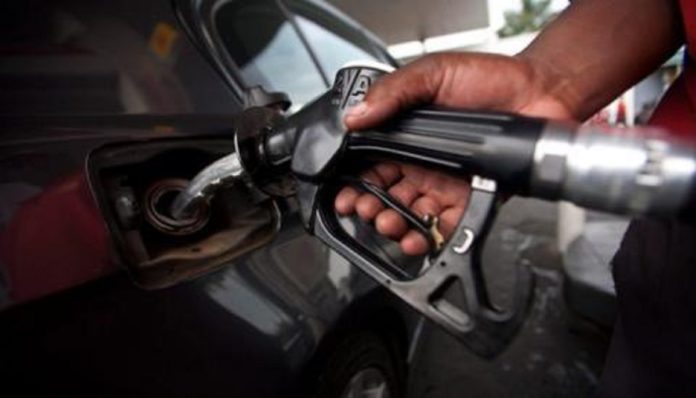

ABUJA, Nigeria — Fuel prices across Nigeria’s major metropolitan centers saw a sharp upward adjustment on Wednesday, as the intensifying conflict in the Middle East continues to send shockwaves through global energy markets.
In the Federal Capital Territory, pump prices at several retail outlets, including those operated by the NNPC, jumped to N960 per litre. A similar trend hit Lagos, where motorists faced prices of N935 per litre at independent stations, a significant increase from previous weekly averages.
The Global Squeeze
The price hike is being attributed to the sudden volatility in international crude oil prices following a series of military escalations in the Persian Gulf. With the Strait of Hormuz—a vital artery for global oil shipments—facing potential disruptions due to retaliatory strikes between regional powers, Brent crude has seen a rapid climb.
For Nigeria, which relies heavily on imported refined petroleum products despite being a crude producer, the increase in international landing costs has forced immediate adjustments at the domestic level.
Refining and Depot Adjustments
The ripple effect has already reached domestic supply chains. The Dangote Petroleum Refinery reportedly adjusted its ex-depot price this week to reflect the shifting global market fundamentals, raising rates by approximately N100 per litre to around N874.
Marketers have indicated that the current pump prices are a “direct reflection of replacement costs.” A representative of the Petroleum Products Retail Outlets Owners Association of Nigeria (PETROAN) noted that the industry is currently in a “wait-and-see” mode as the geopolitical situation remains fluid.
Economic Fallout
The sudden spike has triggered immediate concerns over an increase in transportation costs and food inflation. In Abuja, long queues were observed at stations still selling at older rates, while many independent marketers in Lagos have already updated their digital signage to reflect the new reality.
“The market is reacting to the uncertainty,” said energy analyst Dr. Samuel Ibekwe. “If the crisis in the Middle East deepens and crude oil pushes further toward the $100 mark, we are looking at the very real possibility of petrol crossing N1,000 per litre across the country.”
As of Wednesday evening, neither the Ministry of Petroleum Resources nor the NNPCL has issued an official statement regarding a ceiling for the current price surge.






