

ABUJA — The disconnect between Nigeria’s political class and its dark reality has never been sharper, as the national grid’s output collapsed to a staggering 3,705 megawatts this week.
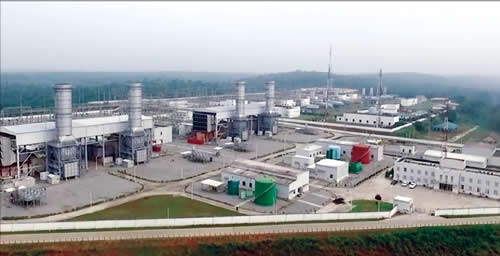
While political heavyweights are already reportedly splashing billions of Naira on pre-campaign “mobilisation” and 2027 power-play strategies, the very turbines meant to light up the country are being starved of basic funding. Data from the Nigerian Independent System Operator (NISO) reveals that 16 out of 33 power plants in the country are currently producing zero electricity, largely because the government has failed to settle the massive debts owed to gas suppliers.
The Association of Power Generation Companies (GenCos) reports a suffocating ₦6.8 trillion total debt burden, with ₦3.3 trillion of that specifically owed for gas. Because the cash isn’t flowing to the plants, the gas has been cut off, leaving the national grid to “grind down” to just 32% of its installed capacity.
As Nigerians suffer through record-breaking heat and skyrocketing fuel costs for generators, critics are pointing out the bitter irony: there is seemingly enough money for high-level political “consultations” and multi-billion Naira “outreach” programs, but not enough to keep the lights on. Minister Adebayo Adelabu continues to promise that a ₦4 trillion bond will eventually save the day, but for now, the only thing running at full capacity in Nigeria is the 2027 political machine.






