

By: Daure David
In the often-charged arena of politics, the temptation to curry favor with sycophants within a party or pressure group can lead to selective criticism and an unhealthy fixation on past events.
In Bauchi State and beyond, this approach has increasingly been deployed against Senator Bala Abdulkadir Mohammed, now Governor of Bauchi State. While such tactics may momentarily appeal to emotional sentiments, they rarely stand the test of political logic or historical fairness.
Politics, at its core, is driven not by sentiment alone but by shared interests and collective vision. Individuals from diverse backgrounds, ideologies, and experiences often find common ground when their objectives align.
It is within this convergence of interests that political bonding occurs laying the foundation for reconciliation, healing, and deeper understanding amongst the political class in state. Unfortunately, a limited grasp of these dynamics often leads to emotional reactions overshadowing reasoned judgment.
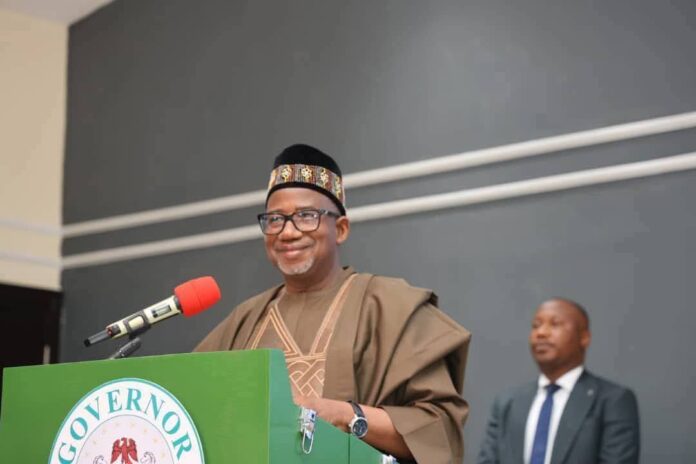
Governor Bala Mohammed’s political journey exemplifies this reality. His willingness to speak truth to power, even when unpopular, has earned him both admiration and criticism.
History shows that leaders who challenge entrenched narratives or resist political convenience are frequently misunderstood in their time. Yet, it is often these same leaders who are later recognized for their courage, vision, and principled stance.
In due course, His Excellency Senator Bala Abdulkadir Mohammed is poised to emerge as a celebrated figure in the political history of Bauchi State and Northern Nigeria at large. His leadership style anchored on conviction, openness, and a clear sense of direction sets him apart in a political landscape where compromise is sometimes mistaken for wisdom and silence for loyalty.
Despite sustained criticism, it is important to objectively assess the progress recorded under the Peoples Democratic Party (PDP)–led administration in Bauchi State. From governance reforms to developmental initiatives, the administration has made measurable impacts that continue to shape the state’s socioeconomic trajectory.
These achievements deserve honest evaluation rather than dismissal rooted in partisan bias or historical grudges. Learning from the past is essential, but remaining trapped in it is counterproductive. Political maturity demands that we assess leaders not solely by selective recollections but by their current actions, vision, and contributions to society. Governor Bala Mohammed’s record reflects resilience, consistency, and a commitment to the broader public interest.
As political discourse evolves, it is imperative for stakeholders and citizens alike to prioritize facts over sentiment, progress over prejudice, and unity over division. In doing so, history will ultimately render its verdict one that may well affirm Governor Bala Mohammed’s place as a remarkable leader whose impact transcends temporary political noise.






