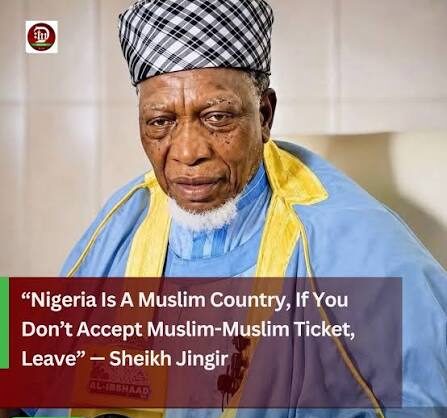


ABUJA, Nigeria — A fierce debate over double standards and public accountability in Nigeria has escalated following Islamic cleric Sheikh Muhammadu Sani Yahaya Jingir’s refusal to apologize or retract controversial comments targeting Christians.
Speaking during a political gathering in Kano, Sheikh Jingir—Chairman of the Council of Ulama of Jama’atu Izalatil Bid’ah Wa’ikamatis Sunnah (JIBWIS)—urged supporters to maintain same-faith political tickets to “show the infidels their limit” and assert numerical dominance.
Despite widespread outrage from religious leaders and civil rights organizations, the cleric has remained firm, declining calls to apologize to the Christian community.
Outrage Over Unequal Accountability
The cleric’s refusal to issue a public statement or apology has sparked strong reactions across social media and civil society, with critics drawing sharp comparisons to how pop culture figures and everyday citizens are treated under public scrutiny.
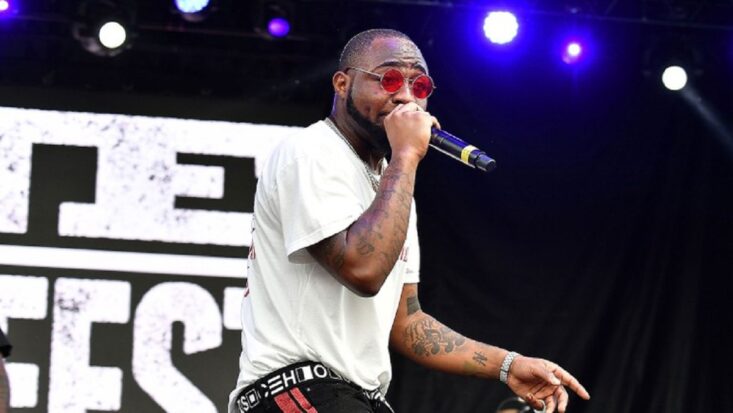
Many observers pointed to high-profile incidents—such as music star Davido being pressured into taking down a controversial music video and issuing public clarifications after facing religious backlash—to highlight what they describe as a stark double standard.
While entertainers and public figures quickly face corporate boycotts, social media mobbing, and demands for apologies, powerful religious leaders frequently double down on divisive rhetoric without personal or professional consequences.
Calls for Legal Action and Security Intervention
Unlike routine online controversies, Sheikh Jingir’s comments have drawn formal intervention from national oversight bodies:
- NHRC Demands Arrest: The National Human Rights Commission (NHRC) officially labeled the remarks as hate speech and incitement to religious hatred, petitioning the Inspector General of Police and the Department of State Services (DSS) to arrest and prosecute the cleric.
- Christian Leaders React: Senior religious figures, including Dr. Paul Enenche of Dunamis International Gospel Centre, strongly condemned the statements, calling on federal authorities to enforce law and order against hate speech regardless of who utters it.
- Political Rejection: Former Kano State Governor Rabiu Musa Kwankwaso and other regional leaders rejected the cleric’s framing, warning that using religious identity as a political weapon endangers national unity.
A Growing Strain on Social Cohesion
The controversy comes as political groups maneuver ahead of future electoral cycles. Civil rights advocates warn that allowing influential figures to evade accountability for incendiary speech while holding artists and private citizens to strict standards creates a dangerous precedent.
As pressure mounts on federal law enforcement to respond to the National Human Rights Commission’s petition, citizens and civil society groups continue to demand equal application of the law to safeguard national stability.