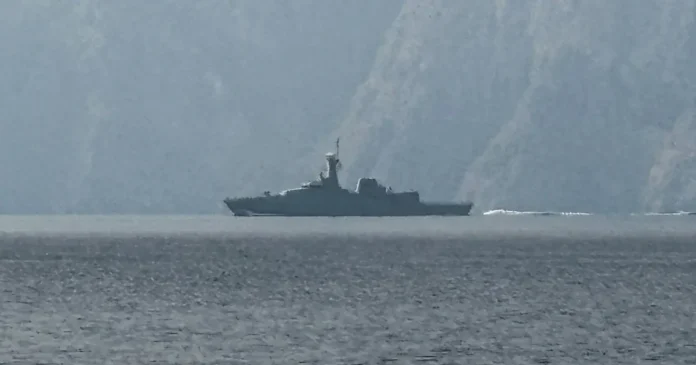

ABUJA — A high-stakes naval standoff in the Strait of Hormuz ended with two U.S. Navy destroyers turning back today after a direct confrontation with Iranian forces, according to reports from Bloomberg.
The incident occurred while American and Iranian delegations were reportedly engaged in sensitive negotiations in Islamabad aimed at de-escalating the ongoing regional conflict.
The Standoff at Sea
The two U.S. warships were attempting to navigate the strategic waterway when they were intercepted by Iranian forces. Reports indicate that Iran launched at least one drone toward the vessels and issued a chilling ultimatum: turn back or be blown up.
Faced with the immediate threat of a drone strike and a warning that the ships would be “sunk within 30 minutes,” the U.S. destroyers halted their advance and retreated from the area.
Impact on Peace Talks
The maritime clash casts a long shadow over the diplomatic efforts currently underway in Pakistan. Analysts suggest the move to send the destroyers may have been a “stress test” by the Trump administration to see if Iran would blink during negotiations. Instead, the move met with a display of defiance that underscores Tehran’s continued control over the world’s most critical oil chokepoint.
Global Oil Markets Shaken
The failure to reopen the Strait of Hormuz has sent fresh shockwaves through global energy markets. With over 20 million barrels of oil per day stalled, prices have surged to three-year highs. President Trump has previously called for an international coalition to force the Strait open, but today’s retreat suggests that military transit remains a high-risk gamble.
Official Silence
As of this evening, the Pentagon has not released an official statement regarding the retreat, while Iranian state media has characterized the event as a victory against “American aggression.”
The situation remains extremely volatile as both nations weigh their next moves ahead of the scheduled second round of talks in Islamabad.