
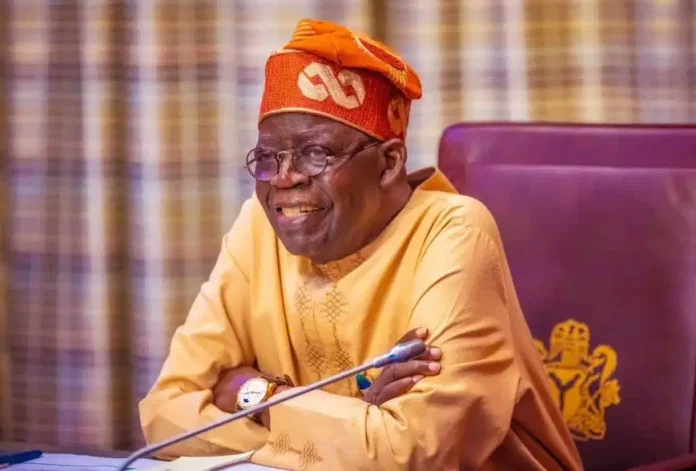

ABUJA — Twenty-six years after the military retreated to the barracks, a sobering question is echoing from the markets of Kano to the streets of Lagos: “Where is the democracy we were promised?”
As the administration of President Bola Ahmed Tinubu enters a defining phase of its tenure, the gap between democratic theory and the daily struggle of Nigerians has reached a breaking point. For many, the ritual of voting no longer feels like a guarantee of a better life, but a recurring exercise in unfulfilled expectations.
Institutions or Extensions of Power?
The traditional “three arms of government” are facing an unprecedented crisis of confidence. The National Assembly, intended to be the people’s watchdog, is increasingly viewed by critics as an extension of the Presidency. Recent legislative sessions have been dogged by allegations that the “check and balance” system has been replaced by a “bow and go” culture, leaving executive power largely unchecked.
The Judiciary, once hailed as the last hope of the common man, has not escaped the fray. Contentious rulings and internal calls for reform from figures like Chief Justice Kudirat Kekere-Ekun have done little to quiet the public perception that the scales of justice may be tilting toward those with political clout.
Meanwhile, the Independent National Electoral Commission (INEC) remains in the crosshairs of public distrust. Despite the passage of the 2026 Electoral Act, the memory of past logistical failures and the “Occupy INEC” protests earlier this month suggest that for many, the electoral process remains a broken promise.
The Economy of Survival
While the government points to macroeconomic growth figures—projecting a 4.1% rise in GDP—these numbers mean little to the mother in Mushin or the trader in Kano.
The cost of basic survival has surged. Staple foods that once anchored the Nigerian diet have seen price hikes as high as 700% over the last few years. With over 60% of the population projected to live below the poverty line by the end of 2026, the phrase “stomach infrastructure” has taken on a grim new meaning. Insecurity, particularly the emergence of new insurgent groups like “Lakurawa” in the North-West, continues to displace farmers, further strangling the food supply and deepening the sense of vulnerability.
A Democracy in Name Only?
“Democracy is not just about the absence of a military uniform,” says Dr. Chidi Amadi, a political analyst based in Abuja. “It is about the presence of accountability. When people cannot eat, when their votes feel like they don’t count, and when the law feels selective, the democratic fabric begins to tear.”
The administration maintains that these are the “necessary pains” of long-term reform, describing 2026 as a year of consolidation. However, as grassroots movements and opposition groups begin to mobilize ahead of the 2027 cycle, the patience of the Nigerian public is wearing thin.
Nigeria stands at a crossroads. The country has the structures of a democracy—the buildings, the titles, and the ballot boxes—but the “democracy in action” that reflects the will and welfare of the people remains, for now, an elusive goal.






