
ABUJA — A wave of public outrage is sweeping across Nigeria as citizens and security experts question why the Nigerian Air Force, which famously executed a rapid-response mission to foil a coup in the Benin Republic just months ago, failed to prevent the brutal killing of a senior Army General and 18 soldiers in Borno State.
The contrast between Nigeria’s “Big Brother” efficiency abroad and its apparent vulnerability at home became the central theme of a national debate following the tragedy at Benisheikh.
The Midnight Siege
In the early hours of Thursday, April 9, 2026, jihadist insurgents launched a massive assault on the 29 Task Force Brigade Headquarters in Benisheikh, located about 75 kilometres from Maiduguri. The attack, which began around 12:30 a.m. and lasted for several hours, claimed the life of Brigadier General O.O. Braimah, the brigade commander.
Witnesses and military sources described a scene of chaos as the attackers used explosives and heavy machine guns to breach the perimeter. By the time the dust settled, at least 18 soldiers and the brigade’s Chief Imam lay dead. The insurgents reportedly torched military vehicles and buildings before disappearing into the night, seemingly untouched by any overhead air support.
The Benin Contrast
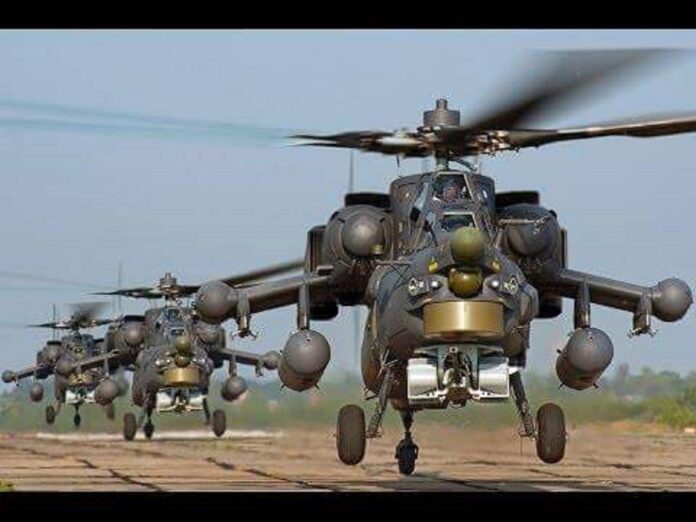
Critics were quick to point to December 2025, when the Nigerian Air Force (NAF) displayed what many called “world-class precision” in Cotonou. During that operation, NAF fighter jets and drones were deployed within hours of a coup attempt against the Beninese government. The Nigerian pilots successfully secured the airspace, strafed rebel camps, and restored order in a foreign capital with clinical efficiency.
“The same Air Force that moved swiftly to prevent a coup in Benin is apparently unavailable when it comes to saving its own generals in Maiduguri,” one commentator noted on social media, echoing a sentiment that has gone viral since the news of General Braimah’s death broke.
Promises vs. Reality
The failure to provide air cover at Benisheikh is particularly stinging given that the Chief of Air Staff, Air Marshal Sunday Kelvin Aneke, had just visited Maiduguri three days ago. During his Easter morale-boosting tour, he promised a “high-tempo” of air operations to flush out the remnants of Boko Haram and ISWAP.
The fact that a major military formation could be under siege for hours without a single jet or drone intervening has led to accusations of a “priority mismatch.” While the government celebrated the Benin intervention as a victory for regional democracy, the Benisheikh massacre is being viewed as a grim reminder of the deteriorating security situation within Nigeria’s own borders.
As of Thursday evening, the military high command has not explained the absence of air support during the attack, though a high-powered delegation of security chiefs is reportedly en route to Maiduguri for an emergency assessment.