TEHRAN — A strategic shift in the escalating conflict between Iran and a U.S.-led coalition has moved from the battlefield to the global financial system. On Friday, a senior Iranian official confirmed that Tehran is considering a partial reopening of the Strait of Hormuz, but only for oil tankers that settle their transactions in Chinese yuan rather than the U.S. dollar.
The proposal follows fourteen days of kinetic warfare initiated by U.S. and Israeli strikes on February 28, 2026, which reportedly resulted in the death of Iran’s Supreme Leader, Ali Khamenei. Since the official closure of the waterway on March 4, global energy markets have been thrown into turmoil, with Brent crude surging from $70 to over $110 per barrel.
A Direct Challenge to American Financial Power
Analysts suggest the “Yuan Condition” represents the most direct threat to the U.S. petrodollar system since its formalization in 1974. By leveraging its control over the world’s most vital maritime chokepoint—through which roughly 20% of global oil transit passes—Iran aims to strike at the financial architecture that underpins American global influence.
According to maritime reports, the infrastructure for a parallel yuan-denominated energy corridor is already operational. Since the conflict began, between 11.7 and 16.5 million barrels of crude have transited the Strait to China via a “shadow fleet” under IRGC protection, with transactions settled exclusively in yuan.
Selective Blockade and the U.S. Response
While the Strait remains closed to the United States, Israel, and their Western allies, Tehran has begun granting selective passage to neutral parties. Recent reports indicate that Iranian authorities have approved the transit of a Turkish vessel, two Indian-flagged gas carriers, and a Saudi oil tanker destined for India.
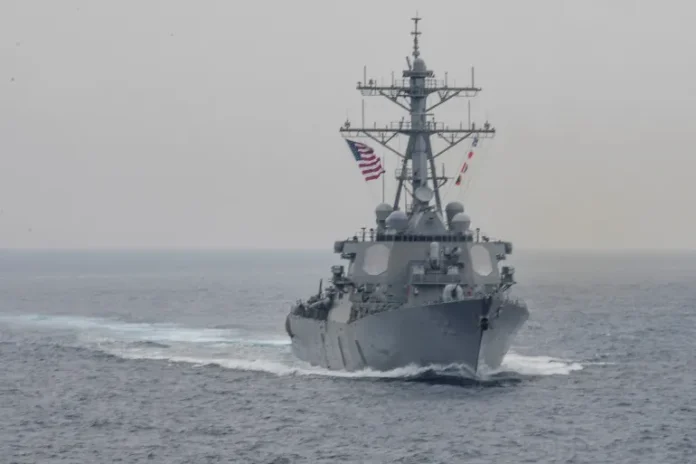
In Washington, the Trump administration has maintained a policy of maximum military pressure. The President recently warned that U.S. forces have targeted “every military asset” on Kharg Island and threatened to destroy Iran’s oil infrastructure if the blockade is not lifted.
Global Economic Implications
The Congressional Research Service warned on March 11 that while the U.S. military maintains the capacity to eventually force the Strait open, the process could take weeks or months. During this window, energy-dependent nations face an “arithmetic of desperation”:
- Pipeline Deficits: Alternative pipelines through Saudi Arabia and the UAE face a deficit of approximately 12 million barrels per day compared to the Strait’s capacity.
- Market Fragmentation: While the dollar remains the world’s primary reserve currency, a bifurcated global oil market—one dollar-based and one yuan-based—is now an operational reality.
The physical conflict remains the most visible aspect of this war, but the quiet renegotiation of global financial dominance in the Persian Gulf may prove to be its most lasting legacy for U.S. interests.