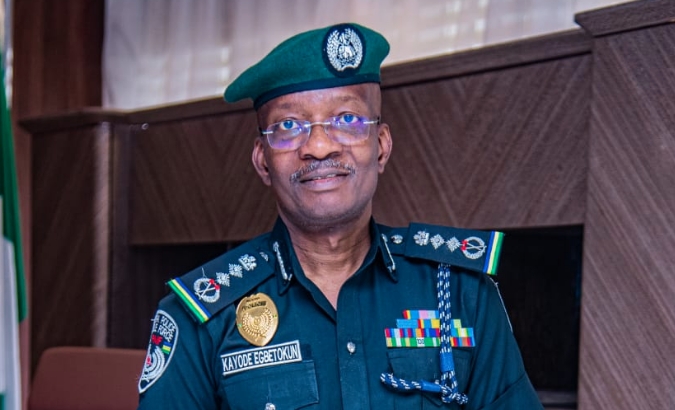
ABUJA — Deepening cracks within Nigeria’s security architecture have finally come to light following the sudden exit of Kayode Egbetokun as the Inspector-General of Police.
While the official narrative framed Egbetokun’s departure as a resignation for “pressing family considerations,” high-level sources within the Presidency and the Force Headquarters reveal a much more turbulent reality. President Bola Tinubu reportedly issued a direct ultimatum for the IGP to step down after a series of administrative failures and policy clashes made his continued leadership untenable.
The Financial Chokehold
The most damaging revelation involves a massive funding crisis that left state commands paralyzed. Investigations suggest that despite the federal government releasing funds, several state police commands had not received their operational and administrative allocations for over six months. This financial bottleneck reportedly crippled the ability of officers to respond to the surge in kidnappings across the North-West, particularly in Kaduna and Zamfara.
Policy Defiance
Insiders point to a fundamental ideological rift between Egbetokun and the Commander-in-Chief. While President Tinubu has been a vocal proponent of State Policing as a solution to national insecurity, Egbetokun publicly voiced opposition to the move. His reluctance to align with the administration’s flagship security reform was seen by many in the Villa as a lack of synergy.
Furthermore, Egbetokun allegedly failed to enforce a November 2025 presidential directive to withdraw police personnel from VIP escort duties. The President’s plan to shift these responsibilities to the NSCDC was reportedly met with “low compliance” from the Force Headquarters.
Morale and “Special Promotions”
Morale within the rank and file reached a breaking point over the controversial use of “special promotions.” Sources claim that under Egbetokun’s watch, some officers received multiple rapid-fire promotions without sitting for mandatory examinations or meeting seniority requirements. This perceived favoritism created significant friction among career officers who felt bypassed.
International Embarrassment
The government’s patience reportedly wore thin following the International Press Institute (IPI) Nigeria’s decision to blacklist the former IGP. The move followed the harassment and detention of approximately 24 journalists under his tenure—an optics nightmare for an administration attempting to project a reformist image on the global stage.
A New Chapter
With the appointment of Olatunji Disu as the acting IGP, the Presidency is expected to pivot quickly toward enforcing the VIP withdrawal policy and fast-tracking the state policing debate.