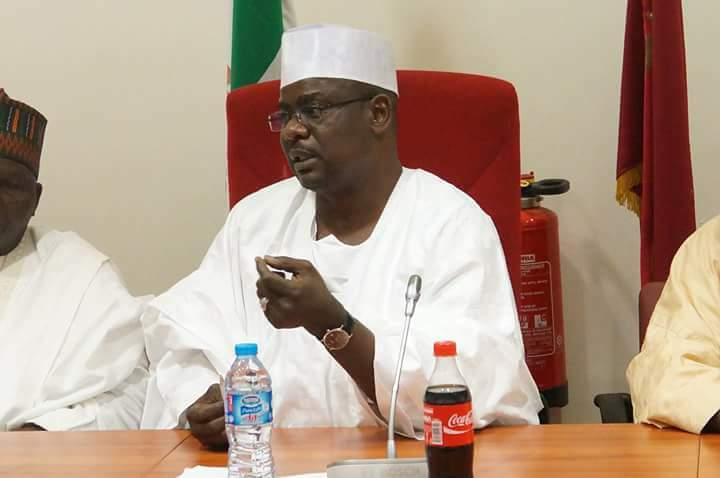
ABUJA, Nigeria — Senator Ali Ndume, the veteran lawmaker representing Borno South, has sparked a national firestorm by labeling Nigeria’s National Assembly “useless,” arguing that the legislative body has failed to provide any tangible value to the lives of ordinary citizens.
In a blunt assessment of the institution where he has served for over two decades, Ndume stated that the National Assembly has abandoned its core constitutional duty of oversight. “There is no oversight at the National Assembly anymore. We are doing nothing,” he said during a recent interview. He further questioned the very necessity of the legislature, remarking that its existence often makes little difference to the plight of the common man.
Criticism of the Electorate
The senator did not reserve his vitriol solely for his colleagues. In a move that has divided public opinion, Ndume turned his sights on the Nigerian public, accusing some citizens of compromising their dignity by “selling themselves” to politicians for personal gain during elections.
He argued that the relationship between politicians and the electorate has become purely transactional, with voters trading their long-term welfare for immediate handouts. According to Ndume, this cycle of “stomach infrastructure” ensures that accountable leadership remains out of reach.
A Pattern of Dissent
Ndume’s latest outburst follows a series of high-profile clashes with both the presidency and his own party leadership. He has frequently criticized the National Assembly for acting as a “rubber stamp” for executive policies and has even advocated for lawmaking to become a part-time job to save the country billions in overhead costs.
While some Nigerians have praised Ndume for his “bitter truth” and his willingness to speak out against systemic rot, others view his comments as hypocritical. Critics point out that as a high-ranking, long-serving official, he is an integral part of the very system he now condemns.
The senator’s remarks have now opened a broader national conversation about the performance of lawmakers, the plummeting expectations of the youth, and the urgent need for a total overhaul of Nigeria’s democratic process.