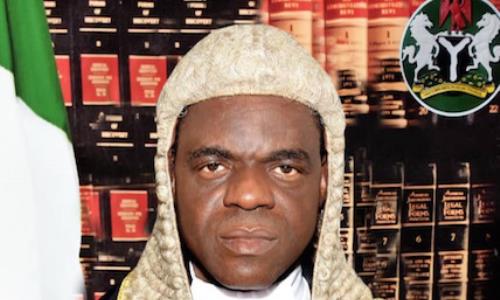

ABUJA — The corridors of the Federal High Court are buzzing with tension following the failure of Chief Judge John Tsoho to honour a critical invitation by the Code of Conduct Bureau (CCB) over a brewing asset declaration scandal.
Justice Tsoho was expected to appear before the anti-graft agency on March 16 to answer tough questions regarding multiple undeclared bank accounts allegedly held with United Bank for Africa and Access Bank. However, the high-ranking jurist was a no-show, leaving investigators at the CCB headquarters in a lurch.
While official reports suggest the judge’s absence was due to his lead counsel, Kanu Agabi, being out of the country for medical treatment, a more explosive narrative is making the rounds in Abuja’s power circles. Insiders claim that FCT Minister Nyesom Wike stepped in behind the scenes, allegedly advising the Chief Judge to stay away and promising to “resolve” the matter through political channels.
The situation presents a significant challenge for the judicial system. If allegations regarding undeclared assets are substantiated, they carry serious legal consequences, including potential disqualification from holding public office and other statutory penalties.
This standoff has intensified the public conversation regarding judicial accountability and the independence of oversight bodies. Observers note that the outcome of this inquiry will be a critical test for the institutions tasked with maintaining transparency among high-ranking officials. The intersection of legal proceedings and political influence remains a point of concern for those advocating for a robust anti-corruption framework.
The next steps for the Code of Conduct Bureau involve determining whether to issue a formal summons or proceed with alternative methods to ensure the inquiry continues in accordance with the law.