
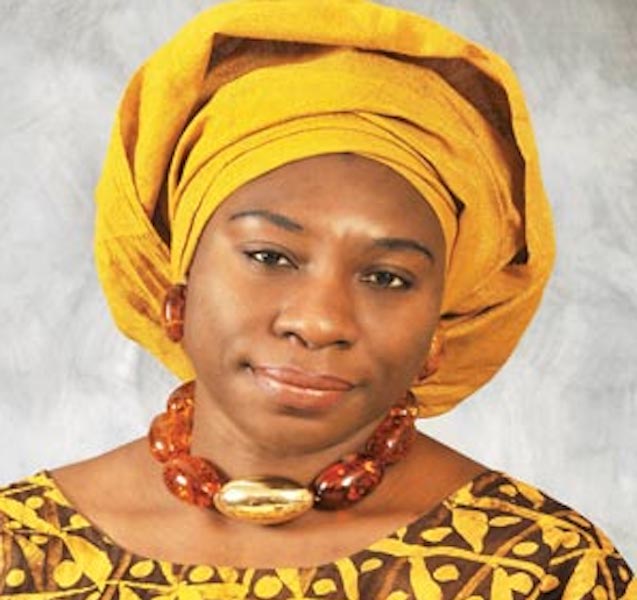

ABEOKUTA — In the shifting sands of Ogun State politics, a name synonymous with Nigeria’s power corridors is once again taking center stage. For Prof. Iyabo Obasanjo, her unfolding bid for the Ogun State governorship is transcending mere political ambition, becoming what observers describe as a profound reckoning with memory and legacy.
As the 2027 electoral cycle draws closer, the daughter of former President Olusegun Obasanjo is reportedly consolidating her grassroots structures, signaling a return to the political fray she once dominated as a Commissioner and Senator.
Beyond Ambition
For many in the Gateway State, Iyabo’s candidacy is not just about the seat at Oke-Mosan; it is a test of the enduring influence of the “Obasanjo brand” in a vastly different political era.
“There are seasons in public life when a candidacy becomes more than ambition,” a veteran political analyst in Abeokuta noted. “For Iyabo, this road is a complex intersection of her personal intellectual pedigree and the long shadow cast by her father’s storied, and often controversial, political history.”
The Road to 2027
The former Senator, who has spent significant time in academia abroad since her exit from the National Assembly, is entering a field already crowded with heavyweights.
- The Incumbency Factor: While Governor Dapo Abiodun’s second term is winding down, the battle to succeed him has split the ruling APC and the PDP into several factions.
- The Third Force: Rumors persist that Iyabo may seek a platform outside the two major parties, potentially aligning with a “Third Force” coalition aimed at disrupting the established order in the state.
A Reckoning with Memory
Iyabo’s previous tenure in the Senate was marked by both legislative activity and high-profile friction with the then-federal administration. Her return to Ogun politics forces a re-evaluation of those years. Supporters point to her experience and international exposure as the “modernizing touch” Ogun needs, while critics are already digging up old political feuds to challenge her path.
As she engages in quiet consultations with traditional rulers and key stakeholders across the three senatorial districts, the question remains: Can she carve out a distinct identity that honors her heritage while offering a fresh vision for Ogun’s future?