ABUJA — As Nigeria grapples with a surge in ethno-religious tension and a brutal conflict in the Middle East, a long-simmering theory is resurfacing in security circles: the alleged involvement of Iran and Turkey in a coordinated “Islamization” agenda alongside Fulani militant groups.
While the Nigerian government officially dismisses these claims as “divisive conspiracy,” an investigation into recent diplomatic friction and underground movements suggests that both Middle Eastern powers are expanding their footprints in ways that have set off alarm bells within the intelligence community.
The Tehran Connection: The ‘Shia’ Factor
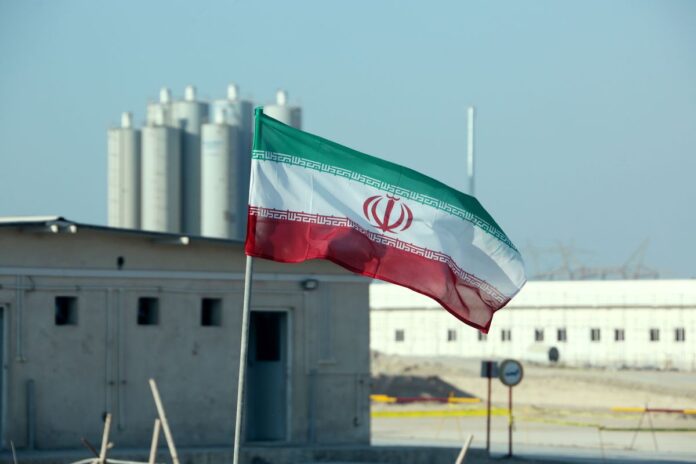
The most visible link to Iran remains the Islamic Movement in Nigeria (IMN). On March 6, 2026, the Israeli Ambassador to Nigeria, Michael Freeman, explicitly accused Tehran of using the IMN as a proxy to “export terrorism” and destabilize the West African sub-region.
However, the “Islamization” narrative takes a complex turn here. While the IMN is a Shia movement, the vast majority of Fulani Muslims are Sunni. Despite this sectarian divide, intelligence sources suggest that Iranian influence may be shifting toward “tactical alliances” with aggrieved nomadic groups to create a broader front against Western interests in Nigeria.
“We are monitoring reports of illicit funding flowing through non-state actors,” a senior security official told our correspondent on the condition of anonymity. “The concern isn’t just religious dogma; it’s about Iran using local grievances to build a ‘Resistance Axis’ on African soil.”
The Ankara Enigma: Drones and ‘Grey Wolves’
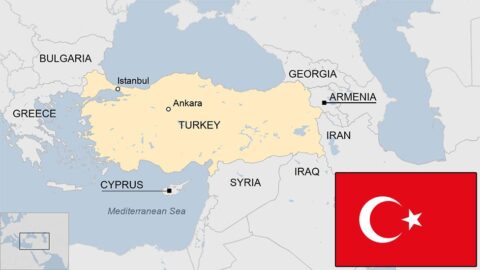
Turkey’s involvement is framed differently, centered on military hardware and “educational” outreach. Over the last year, Turkey has aggressively pursued security pacts with Nigeria, selling Bayraktar TB2 drones and armored vehicles to the Federal Government.
Yet, critics and some Christian leadership groups point to a “double game.” Unverified reports and resurfaced leaked audios from previous years suggest that Turkish entities may have maintained back-channel communications with radical elements.
The narrative gained traction recently when controversial cleric Sheikh Ahmad Gumi openly called for Nigeria to invite Turkish security experts to “mediate” with bandits in the North—a move many Southerners viewed as an invitation for a foreign pro-Islamic power to intervene in an internal ethnic conflict.
The ‘Fulanization’ Fear: Reality or Rhetoric?
The term “Fulanization,” first popularized by former President Olusegun Obasanjo, has become the rallying cry for those who believe the persistent attacks by herdsmen are not just about grazing land, but territorial conquest.
“When you see the sophisticated weaponry these herdsmen carry—AK-47s and GPS trackers—you have to ask: who is paying?” says Dr. Chidi Amadi, a geopolitical analyst. “The suspicion that Iran or Turkey is providing the ‘logistics’ for a long-term religious shift in the Middle Belt is what keeps the tension at a boiling point.”
The Official Stance
In a swift reaction to the growing rumors, the Nigeria Police Force issued a stern warning this week against “importing outside ideological wahala (trouble)” into the country. The Presidency has maintained that Nigeria’s challenges are strictly internal, driven by climate change and socio-economic displacement rather than a foreign-backed religious plot.
As the U.S.-Israel war against Iran escalates globally, Nigeria finds itself at a crossroads. Whether the “Islamization” agenda is a coordinated foreign strategy or a symptom of domestic failure, the shadow of Tehran and Ankara continues to loom large over the nation’s security discourse.