
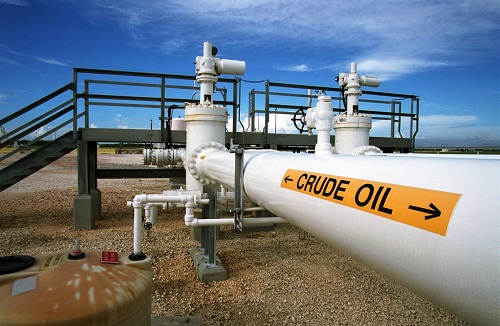

ABUJA, NIGERIA – Nigeria’s fragile fuel stability is once again teetering on the edge as the House of Representatives Committee on Petroleum Resources (Downstream) issued a blistering 48-hour ultimatum to fix the “stranglehold” on crude oil supply to the Dangote Petroleum Refinery. The committee warned that a toxic mix of insufficient local crude and “extortionate” international premiums is paving a direct path back to the dark days of nationwide fuel queues and a punishing spike in pump prices.
The legislative red alert comes as the Dangote Refinery, once hailed as the nation’s energy messiah, struggles to secure the very feedstock it was built to process. Despite the mandates of the Petroleum Industry Act (PIA), domestic producers have reportedly failed to prioritize the refinery, forcing the facility to turn to international middlemen who are slapping “outrageous premiums” on every barrel. This supply friction has already sent shockwaves through the market; ex-depot prices jumped from ₦774 to ₦874 at the start of March, only to skyrocket to ₦1,175 per litre by mid-month as global oil prices flirted with the $100 mark.
The downstream ripple effect is already being felt at the street level, where retail prices have breached ₦1,200 per litre in several regions. With the refinery now responsible for a staggering 92% of the country’s daily petrol needs—pumping out some 36.5 million litres—any hiccup in its operations is a cardiac event for the Nigerian economy. Lawmakers are now demanding that the crude technical committee “stop the bleeding” and streamline local supply before independent marketers, fearing a total price collapse, shut their gates entirely.
As the 48-hour clock ticks down, the tension in Abuja is palpable. Without a swift intervention to decouple the refinery from expensive foreign traders, the “Renewed Hope” of energy independence may soon be replaced by the familiar, weary sight of cars stretching for miles at empty filling stations.