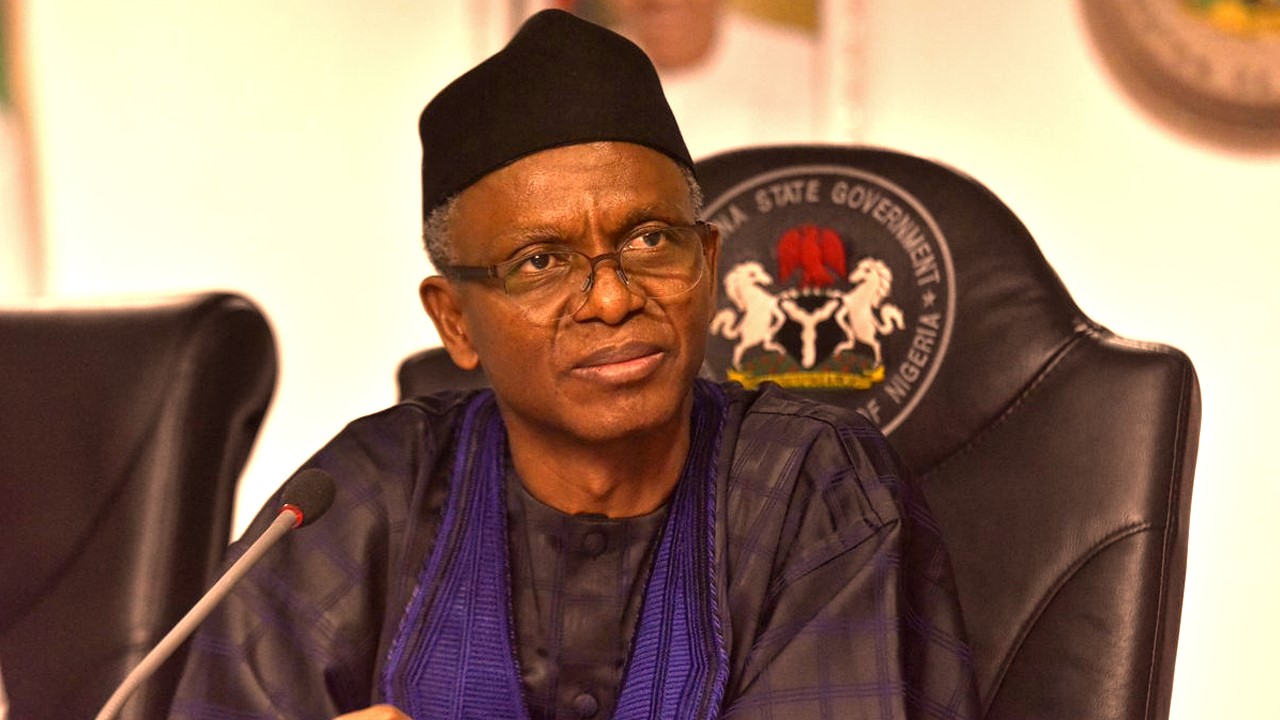
ABUJA — Former Kaduna State Governor Nasir El-Rufai has formally rejected an invitation by the Independent Corrupt Practices and Other Related Offences Commission (ICPC), dismissing the ongoing investigation into his eight-year tenure as a “politically motivated” sham.
The former governor, who served from 2015 to 2023, is currently under the commission’s spotlight over allegations of financial impropriety and the suspected diversion of state funds.
The “Political” Stance
In a strongly worded communication to the anti-graft agency, El-Rufai made it clear that he has no intention of submitting to interrogation. Sources close to the former governor indicate that he views the probe as a targeted attempt to diminish his political influence following his exit from office and the fallout from his botched ministerial confirmation in 2023.
“I will not be a pawn in a politically orchestrated drama,” a source quoted the former governor as saying. El-Rufai has reportedly instructed his legal team to challenge the commission’s summons, maintaining that his administration’s financial records are public and were subject to rigorous audits during his time in the Kashim Ibrahim House.
The ICPC Investigation
The ICPC’s inquiry is reportedly centered on several key areas of the El-Rufai administration, including:
Infrastructure Projects: Scrutiny of contracts awarded under the Kaduna Urban Renewal Project.
Land Allocations: Allegations of irregularities in the allocation of prime state lands during his tenure.
Financial Divergence: A petition alleging that billions of naira in state revenue cannot be fully accounted for in the handover notes provided to his successor.
The commission has maintained that its actions are strictly within its statutory mandate to investigate petitions and ensure public accountability, regardless of the political status of the subject.
Escalating Legal Battle
El-Rufai’s refusal to answer questions sets the stage for a high-profile legal showdown between one of Nigeria’s most vocal politicians and the federal government’s anti-corruption machinery. Legal experts suggest that the ICPC may now be forced to seek a court order or a warrant for his arrest to compel his appearance.
This defiance comes amidst a broader pattern of “street interest” in the North, where El-Rufai remains a polarizing but deeply influential figure. His supporters have already begun to frame the probe as a “betrayal” by the current federal establishment, while critics argue that no former public official is above the law.
What Happens Next?
With El-Rufai digging in his heels, the ball is now in the ICPC’s court. The agency must decide whether to escalate the matter through the judiciary or continue gathering evidence independently to build a formal prosecution file.
As of press time, the ICPC has not issued a formal rebuttal to El-Rufai’s “politically motivated” claims, though a senior official within the agency confirmed that “the investigation is ongoing and will follow the due process of law.”