
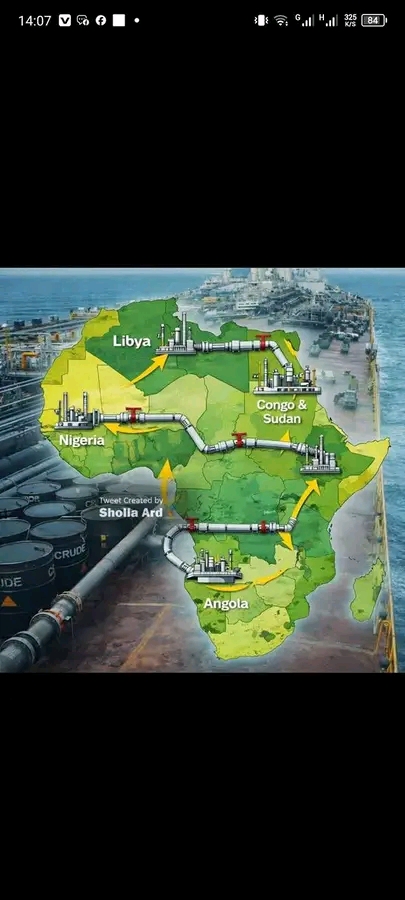

LUANDA, Angola — Energy experts and regional heads of state are addressing a critical paradox in the African economy: despite possessing vast crude oil reserves, the continent remains strategically tethered to the Gulf and Europe for its refined fuel requirements. This cycle of dependency is increasingly attributed to a systemic lack of regional unity and infrastructure cooperation across the continent’s major oil-producing zones.
As of March 2026, the strategic blueprint for an energy-independent Africa remains largely theoretical. While the resources to power the continent exist in abundance—from the 9-billion-barrel reserves of Angola to the established output of Nigeria—structural barriers continue to drain African capital. Decaying infrastructure, internal regional conflicts, and a historical preference for global exports over intra-African trade have created a scenario where African nations often find it more cost-effective to import petrol from halfway across the globe than from their immediate neighbors.
In Southern Africa, Angola has solidified its position as a top-tier producer, yet the absence of cross-border pipeline networks means nations like Zambia and Namibia remain reliant on international markets. Similarly, in West Africa, Nigeria continues to face the irony of its status; despite its massive reserves, Nigerian refineries reportedly spent ₦5.7 trillion on imported crude in 2025 due to domestic supply chain vulnerabilities and a failure to prioritize regional feedstock.
The situation is mirrored in East Africa, where South Sudan holds the region’s primary producing reserves. While it possesses the theoretical capacity to supply 15 neighboring nations, persistent instability frequently disrupts the critical pipelines required for regional distribution, leaving the bloc vulnerable to global price volatility.
“Africa is not energy-poor; it is infrastructure-starved,” stated a Luanda-based energy analyst. “The continent currently exports approximately 70% of its crude and 45% of its gas to global markets, only to purchase it back as high-cost refined products. This represents a significant and avoidable tax on continental growth.”
The obstacles to self-sufficiency are both physical and financial. Financing for African energy projects remains prohibitively expensive, with interest rates ranging from 15% to 20%—nearly triple the rates accessed by Asian or European developers. This has resulted in over 150 critical infrastructure projects, including regional refineries and inter-country pipelines, remaining in the developmental phase.
However, a shift toward energy sovereignty is underway. The African Petroleum Producers’ Organization (APPO) is currently fast-tracking the launch of the Africa Energy Bank. This institution aims to create a homegrown financial engine that bypasses Western “green energy” mandates, focusing instead on funding the oil and gas infrastructure necessary for Africa to process and move its own resources.
The success of this vision depends largely on the African Continental Free Trade Area (AfCFTA) and its ability to dismantle the regulatory red tape and border bottlenecks that currently stifle intra-African trade. Until these structural reforms are fully realized, the goal of an Africa fueled by African resources remains a pending objective on the continental agenda.






