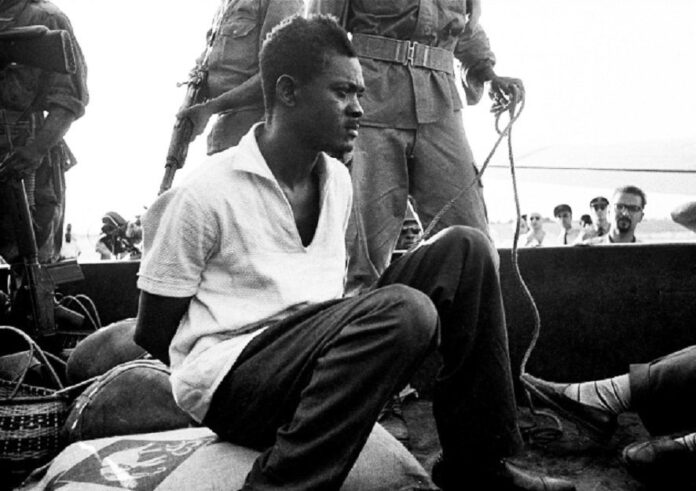

BRUSSELS — A Belgian court ruled on Tuesday that Count Étienne Davignon, a former Vice-President of the European Commission, must stand trial for his alleged involvement in the 1961 assassination of Patrice Lumumba, the first Prime Minister of the Democratic Republic of Congo.
Now 93, Davignon is the sole surviving suspect in a criminal complaint filed by the Lumumba family in 2011. The court’s decision marks a historic step in Belgium’s protracted effort to address its colonial legacy and the execution of the Congolese leader.
The Charges and Historical Context
Prosecutors have accused Davignon of “participation in war crimes,” specifically citing his role in the unlawful detention and transfer of Lumumba, as well as subjecting the Prime Minister to humiliating and degrading treatment. At the time of the assassination in January 1961, Davignon was a 28-year-old trainee diplomat serving in the Belgian Foreign Ministry’s Congo unit.
The scope of the trial was expanded by the court to include charges related to the deaths of Lumumba’s political associates, Maurice Mpolo and Joseph Okito, who were executed alongside him by a firing squad in the presence of Belgian officials.
A Distinguished Career Under Scrutiny
The ruling casts a shadow over one of Belgium’s most decorated diplomatic and political careers. Following his early service in the Congo, Davignon rose through the ranks of international governance, serving as a European Commissioner from 1977 to 1985 and as Vice-President of the European Commission starting in 1981.
He later became a prominent figure in global business and policy, serving as the Chairman of the Bilderberg Group for over a decade. As of March 2026, he continues to serve as the President of Friends of Europe, a leading Brussels-based think tank.
Defense and Next Steps
Legal counsel for Davignon has categorically denied the allegations, maintaining that the passage of more than six decades makes a fair trial impossible. The defense has argued that Davignon’s role at the time was purely administrative and that he lacked the authority to influence the events leading to Lumumba’s death.
While the ruling mandates a trial, Davignon’s legal team is expected to appeal the decision, which could further delay the proceedings. The case remains a focal point for activists and historians seeking full accountability for Belgium’s role in the destabilization of the post-colonial Congo.