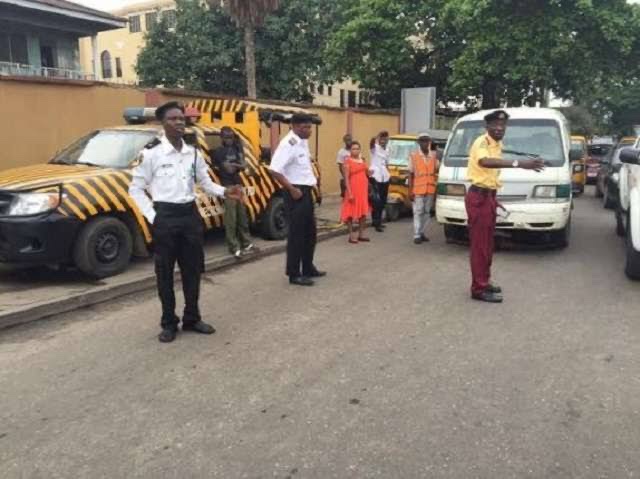

ABUJA — In a landmark ruling that has brought relief to millions of Nigerian motorists, the Court of Appeal has officially barred the Directorate of Road Traffic Services (DRTS), commonly known as Vehicle Inspection Officers (VIO), from stopping, impounding, or confiscating vehicles on public roads.
The judgment, which is currently trending across social media as a vital reminder to drivers, reaffirms that the VIO lacks the statutory power to seize private property or impose monetary fines on the spot.
The Legal Breakdown
The ruling, delivered in the case of Directorate of Road Traffic Services & Ors v. Nabidi, clarifies the exact limits of a VIO’s authority.
- No Power to Seize: The Court held that there is no law in Nigeria that empowers the VIO to impound or confiscate a citizen’s vehicle for alleged traffic or vehicular document infractions.
- Illegal Fines: The appellate court ruled that the imposition of fines by VIO officials is an exercise of judicial power, which the executive arm (VIO) does not possess.
- The Right to Movement: The court emphasized that stopping a vehicle and keeping it in a VIO yard violates the owner’s fundamental right to freedom of movement and right to own property.
What This Means for You
As a motorist, it is important to know your rights during a road encounter:
- Administrative Only: The VIO’s role is primarily administrative—inspecting vehicles to ensure they are roadworthy.
- No “On-the-Spot” Fines: If an officer claims you have a document or mechanical issue, they cannot legally force you to pay a fine to them or their agency immediately.
- Property Protection: They cannot legally compel you to drive your car to their “yard” or seize your keys.
A Reminder to Motorists
Legal experts, including Toheeb Amuda, Esq., have been circulating this “note” to ensure that Nigerians are not bullied by overzealous officers. “The law is clear,” Amuda noted on February 11, 2026. “Know your rights so you don’t become a victim of illegal impoundment.”
While this ruling limits the VIO’s enforcement tactics, it does not exempt motorists from having valid papers (Insurance, Roadworthiness, Driver’s License). It simply mandates that the VIO must follow due process—such as issuing a notice or approaching a mobile court—rather than resorting to “jungle justice” on the highway.