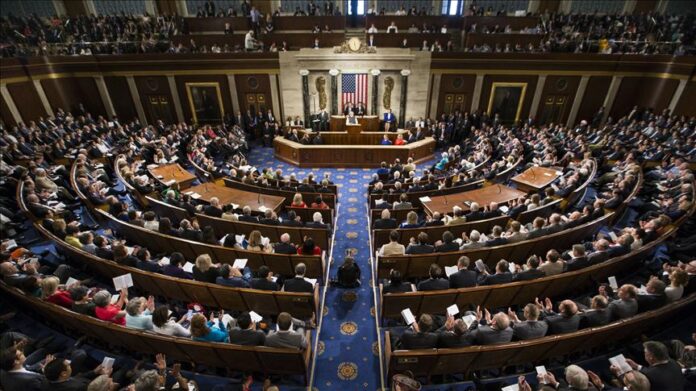
WASHINGTON, D.C. – In a move that could send shockwaves through the diplomatic corridors of Abuja, a group of high-ranking U.S. Republican lawmakers has introduced a hard-hitting bill aimed at designating Fulani ethnic militias as a Foreign Terrorist Organisation (FTO).
The proposed legislation, titled the ‘Nigeria Religious Freedom and Accountability Act of 2026’, was spearheaded by Rep. Riley Moore (R-WV) and veteran lawmaker Rep. Chris Smith (R-NJ). According to reports by TheCable, the bill is a direct response to escalating “religious violence” and systemic attacks on farming communities across Nigeria’s Middle Belt.
Beyond a Name: Sanctions and Scrutiny
This isn’t just about labels. If passed, the bill would force the U.S. Secretary of State to conduct a rigorous annual review of Nigeria’s religious freedom. More significantly, it proposes aggressive use of the Global Magnitsky Act to freeze assets and impose visa bans on individuals accused of fueling the crisis.
The bill’s scope is notably wide, naming several prominent entities and figures for potential blacklisting:
- Fulani Militias and Nomad Groups: Accused of orchestrating massacres.
- Miyetti Allah Groups: Organizations like MACBAN are cited in the bill as being under the scanner for their alleged roles in the conflict, as noted by Leadership News.
- Political Figures: In a move likely to spark intense debate, the bill mentions figures such as former Kano Governor Rabiu Musa Kwankwaso, citing past policy decisions related to Sharia law, according to Daily Post.
A Tense New Chapter in U.S.-Nigeria Ties
The timing of this bill is no accident. It follows President Donald Trump’s late-2025 decision to return Nigeria to the “Country of Particular Concern” (CPC) list—a designation for nations with the world’s worst religious freedom records. Gazette NGR highlights that the U.S. has already shifted toward a more interventionist stance, including military strikes on insurgent hideouts in late 2025.
Rep. Riley Moore was blunt about the bill’s intent, stating it is time for Washington to stop turning a blind eye to the “horrors” faced by religious minorities. “We cannot continue to provide aid while innocent people are being slaughtered in their homes,” Moore remarked during the bill’s introduction.
Abuja Digs In
The Nigerian government has historically pushed back against such labels, arguing that the violence is driven by complex factors like climate change, land disputes, and banditry rather than a state-sanctioned religious war. However, with this bill now on the table in Washington, the Tinubu administration faces mounting pressure to show tangible results in securing the country’s volatile regions.
As this legislation moves to the committee stage, it marks a pivot toward a more transactional relationship between the two nations—one where U.S. support is no longer a given but is tied strictly to human rights and security accountability.