
By Izunna Okafor, Awka
Students of Theatre Arts and Studies at the Nnamdi Azikiwe University, Awka; as well as upcoming artists and creatives have been urged to deliberately develop and cultivate multiple creative skills and strategically position themselves within the rapidly evolving entertainment ecosystem, as the Anambra State Government intensifies efforts to expand opportunities in the sector.
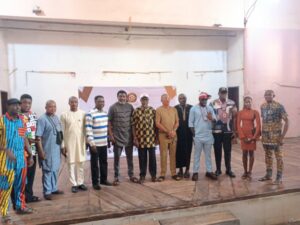
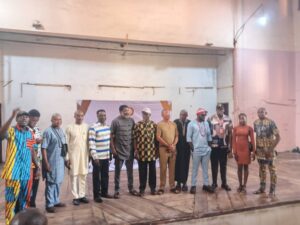
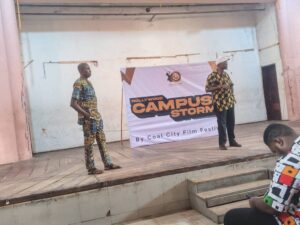
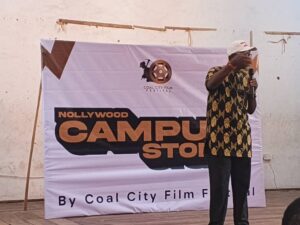
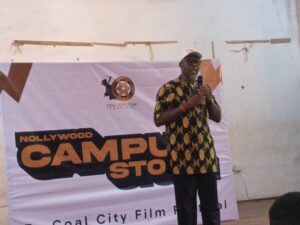
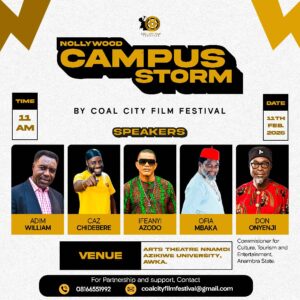
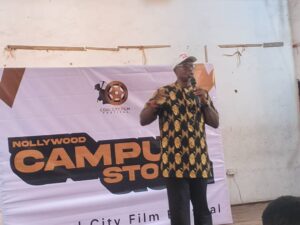
The Anambra State Commissioner for Culture, Entertainment and Tourism, Comrade Don Onyenji, gave the advice on Wednesday while addressing students and participants at the Nollywood Campus Storm, held at the Arts Theatre, Nnamdi Azikiwe University, Awka.

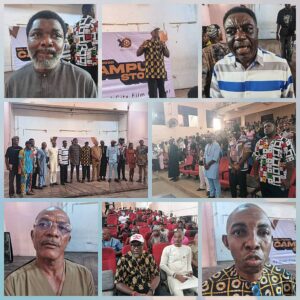
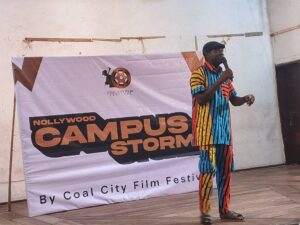
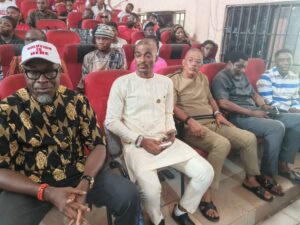
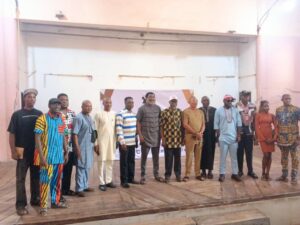
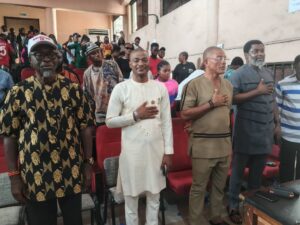
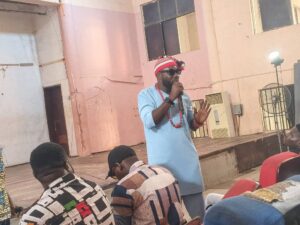
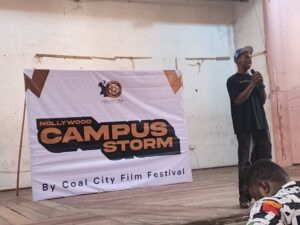
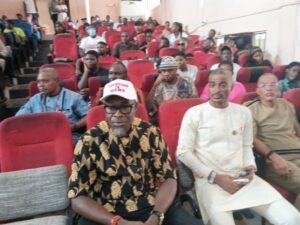
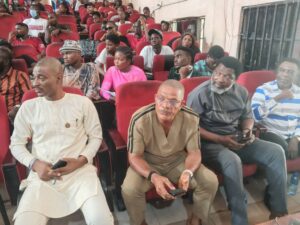
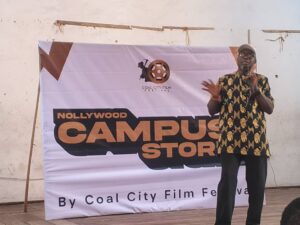
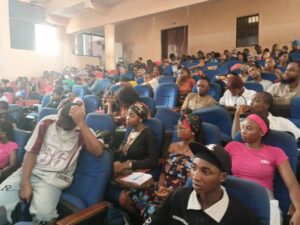
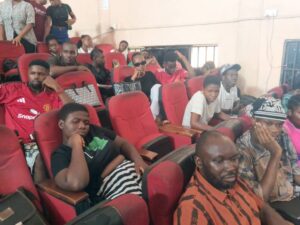
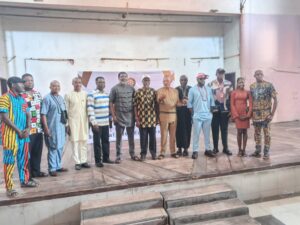
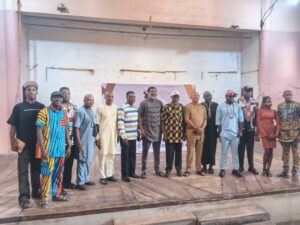
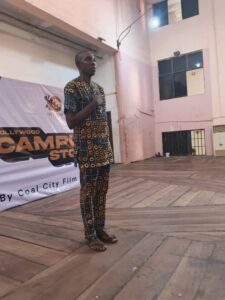
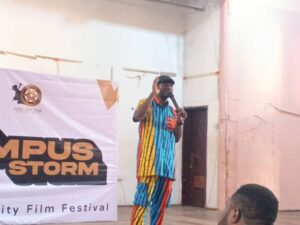
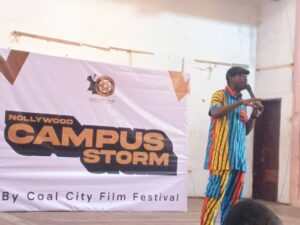
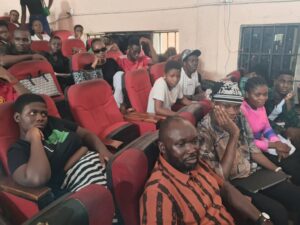
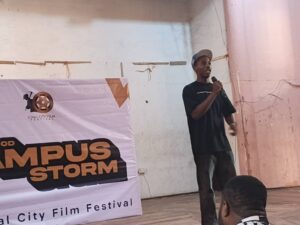
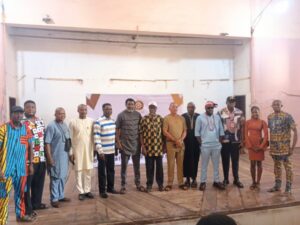
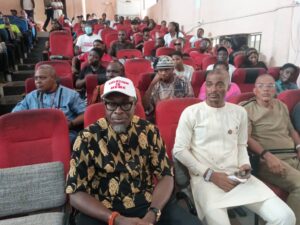
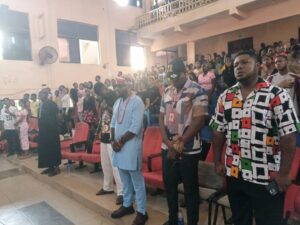
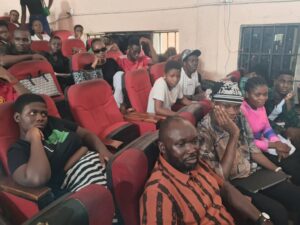
Hosted by organizers of the Coal City Film Festival, the well-attended event, which attracted students, art enthusiasts, legendary and rising stars in the creative sector, not only served as a prelude to the 2026 Coal City Film Festival coming up in Enugu from March 26 to 28; but also provided a platform for students to acquire practical industry knowledge and interact with seasoned professionals on career prospects in film, media, culture and creative entrepreneurship.
The interactive session featured mentorship, career talks and industry insights, all designed to bridge the gap between classroom training and real-world creative enterprise.
Addressing the students, Commissioner Onyenji explained that the creative industry occupies a strategic place in Governor Chukwuma Charles Soludo’s five-pillar development agenda, particularly under the economic transformation blueprint, where the sector is projected to generate at least 5,000 direct and indirect jobs. He noted that tangible steps have already been taken to build local capacity and reduce dependence on external production crews.
He revealed that through initiatives such as Anawood and the One Youth Two Skills programme, no fewer than 50 young filmmakers have been trained on different skills and financially empowered by the state government to establish themselves in the industry. According to him, the goal is to grow an organic pool of talents within Anambra, making the state a destination where producers can source actors, crew members and technical professionals without looking outside.
Citing practical examples, the Commissioner referenced major entertainment events hosted in the state, including concerts headlined by Anambra music star, Flavour, where both performers and production crews were largely indigenous talents sourced from Anambra State. He observed that stage production and technical management were executed to international standards by homegrown professionals, demonstrating the state’s growing creative capacity.
Onyenji further stressed that the creative economy extends far beyond acting, encompassing stage performance, music, costume design, makeup artistry, scriptwriting, production management, hype performances, master of ceremonies roles and digital content creation. He consequently advised students not to rely on a single talent but to develop complementary skills that will increase their versatility and earning potential. Drawing from his background in broadcasting and event hosting, he noted that diversified skills can open multiple income streams within the same industry.
Encouraging intentional self-development, the Commissioner urged students to harness digital tools productively rather than passively consuming contents on social media. He pointed out that many young people now earn sustainable income through creative use of social media platforms and digital technology, adding that discipline, focus and professionalism remain critical to long-term success. He also warned against exploitation within the industry, advising aspiring creatives to remain vigilant and avoid dubious promises.
On infrastructure, Onyenji disclosed that the state government is already laying foundations to make Anambra a competitive film and entertainment hub. He referenced the development of the Solution Fun City in Awka, complete with cinema facilities, amusement parks and multiple recreational attractions that can serve as film locations.
Commissioner Onyenji also revealed that the Soludo Administration already has plans on the way to build a mega entertainment city under the Awka 2.0++ initiative, alongside the proposed artificial beach at Agulu Lake. According to him, infrastructure development is key to attracting investors and boosting film production in any society, which he said is what Governor Soludo is intentionally carrying out multi-dimensional transformation in the creative, leisure and entertainment sectors of the state.
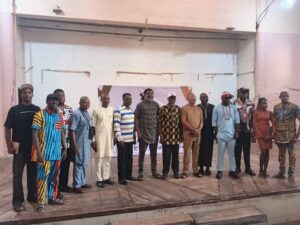
Responding to concerns about the migration of Anambra-born creatives to other states, particularly due to past insecurity challenges, the Commissioner affirmed that Governor Soludo is genuinely committed to repositioning the creative sector. He recalled a previous engagement where filmmakers and creatives of Anambra descent were invited to the Governor’s Lodge in Awka for interaction and dialogue, describing it as a productive homecoming that yielded positive outcomes. While acknowledging suggestions for formal recognition events, he maintained that security improvements and ongoing reforms are gradually restoring confidence in the state.
“Under the Solution Government, the creative sector is seriously booming, with many opportunities and platforms springing up. Anambra is also speedily becoming the liveable and prosperous homeland envisioned by the Governor. If you’re a creative, tap into this opportunity and excel,” he concluded.
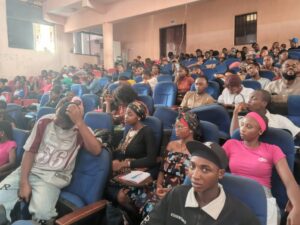
Earlier in a remarks, the host of the event and representative of the Coal City Film Festival, Mr. Ugochukwu Anigbogu, explained that the Nollywood Campus Storm was part of a strategic campus tour across Southeast universities aimed at integrating students into the forthcoming festival in Enugu.

According to him, the initiative was designed to connect aspiring creatives with industry practitioners, inspire young talents and provide clarity on pathways into filmmaking. He added that the three-day festival is open to all, with free accommodation arrangements for students from universities within the region; even as he urged massive participation of students and creatives from Anambra.
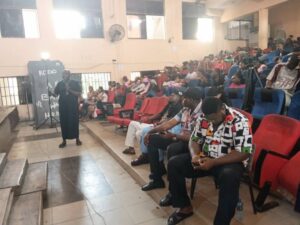
Speaking in an interview with this reporter, Nollywood filmmaker, Ofia Mbaka, emphasized that acting and filmmaking must be treated as serious careers rather than casual pursuits. He advised students to remain focused, cultivate good conduct and patiently learn the craft, stressing that lasting success requires discipline and dedication rather than a quest for overnight fame.

Similarly speaking in an interview, Nollywood actor, director, and President of the Association of Movie Practitioners, Mr. Ifeanyi Azodo, described the industry as rewarding but demanding. He encouraged aspiring creatives to formally align with recognized guilds and professional bodies for structure and mentorship, while also calling for stronger government backing to create a more enabling environment for creatives.
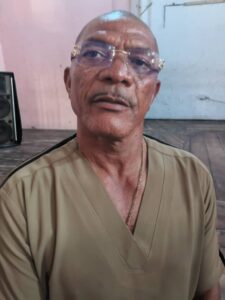
Veteran filmmaker and award-winning scriptwriter, Adim Williams, who addressed students on transitioning from stage to film, highlighted the technical differences between theatre performance and screen acting. He explained that while both share dramatic foundations, nuances such as projection versus line delivery and screenplay techniques must be mastered. He also noted that filmmaking offers viable career paths in writing, costume design, makeup and props, beyond acting alone.

In his vote of thanks, the President of the Association of Theatre Arts Students (ATAS), UNIZIK Chapter, Comrade Chukwuebuka Emmanuel Manafa, described his experience at the previous Coal City Film Festival as transformative. He encouraged fellow students to participate actively in such platforms, noting that they provide exposure, networking opportunities and collaborative prospects for emerging talents.
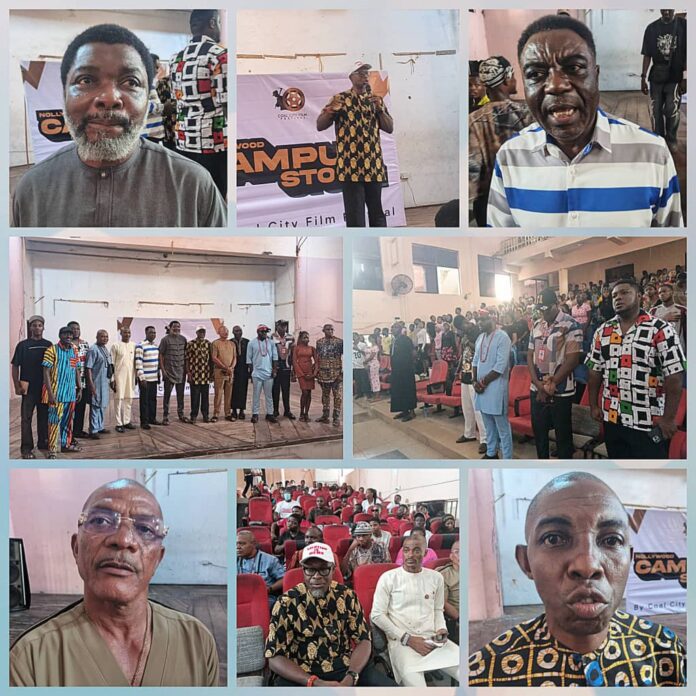
More photos from the event: