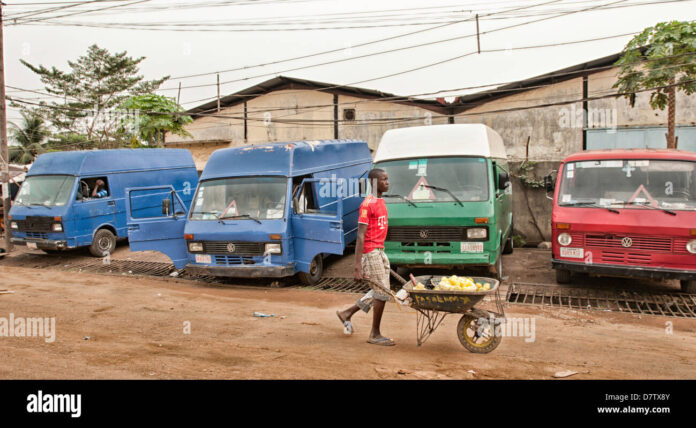
LAGOS — A viral testimony from a young Nigerian graduate has reignited a fierce debate over the state of the nation’s economy, as he described his struggle to find professional work as “modern-day slavery.”
The graduate, identified only as a B.Sc. holder, lamented that after years of rigorous academic training, his only available options in the current Lagos job market are menial roles such as cleaning, cooking, or clerical work. “I am a graduate… and I am on the street,” he narrated. “A graduate in Lagos now can’t do more than a cook, secretary or cleaner.”
Economic Context: The 2026 Reality
The testimony surfaces at a time when leading economists are warning of a deepening “misery index.”
- Rising Poverty: Dr. Franklin Ngwu, Director of Public Sector Initiative at the Lagos Business School, recently projected that about 140 million Nigerians will be described as poor by the end of 2026.
- Unemployment Disparities: While the National Bureau of Statistics (NBS) reported a national unemployment rate of 4.3% in early 2026, critics argue the figure obscures the reality of underemployment.
- Lagos Market Saturation: Recent job listings in Lagos confirm a high demand for domestic and service roles. Listings from February 2026 show dozens of openings for office cleaners, janitors, and kitchen assistants with monthly salaries ranging from ₦90,000 to ₦120,000—often the only immediate options for degree holders.
‘Almajirization’ and the Vanishing Middle Class
The graduate’s “modern-day slavery” metaphor aligns with the growing narrative of the “Almajirization” of the middle class.
- Graduate Vulnerability: Studies indicate that unemployment among those with post-secondary education remains a major hurdle, as the economy fails to generate formal-sector jobs fast enough to match the graduating population.
- Skill Mismatch: Some analysts argue the crisis is compounded by a nexus between unemployment and unemployability, with many graduates lacking the specific digital or technical skills required for 2026 industries.
Political and Social Reaction
The outcry follows several high-profile controversies, including the ₦7.6 trillion NNPCL debt write-off and the ₦3 billion luxury SUV procurement in Sokoto, which have fueled accusations of “elite excess” while the youth are left “on the street.”
Religious leaders and activists, including Pastor Folu Adeboye and Rinu Oduala, have emphasized that the current “suffering” is driving young Nigerians into desperate migration routes or forced military recruitment abroad.
As of February 9, 2026, the Federal Ministry of Youth Development has reiterated its commitment to the Student Loan Scheme and National Youth Talent Export Programme to curb the crisis, though for many on the streets of Lagos, these initiatives have yet to bridge the gap between their B.Sc. and a dignified living wage.