

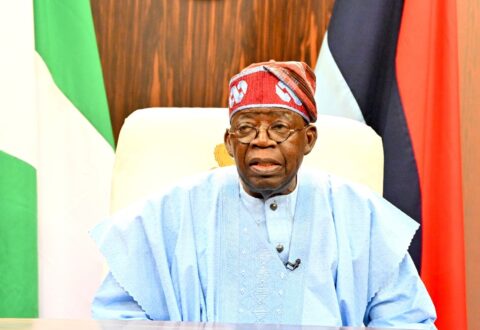
ABUJA, NIGERIA — The polished exterior of Aso Rock is beginning to crack. While official channels maintain a narrative of “Renewed Hope” and strategic reforms, a far more precarious reality is unfolding behind the scenes. Following a series of cryptic health scares—including a widely publicized stumble during a state visit to Türkiye in January 2026—the question of President
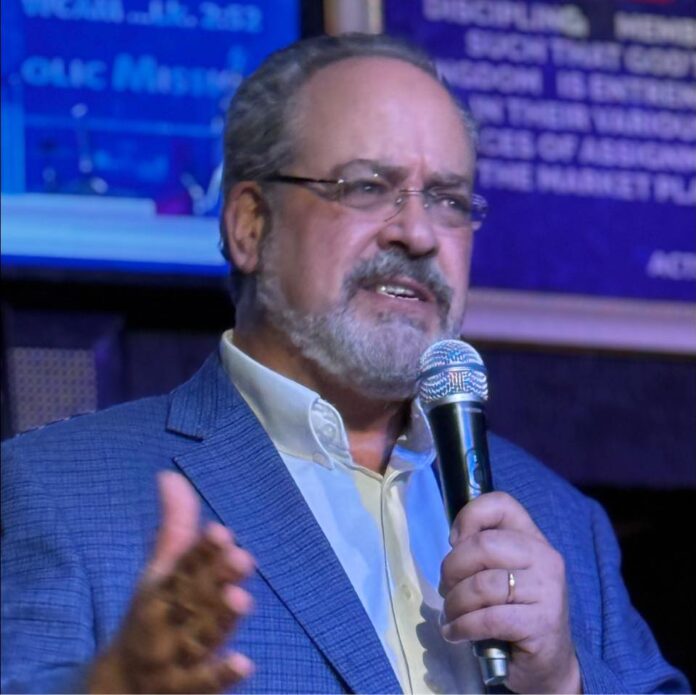
Bola Ahmed Tinubu’s physical capacity has moved from the whispers of the opposition to the forefront of national discourse. Prominent critics, most notably former U.S. Mayor
Mike Arnold
, have intensified their scrutiny of what they describe as a “regency” government. In a series of provocative statements, Arnold has challenged the administration’s transparency, asking, “Will the real leader of Nigeria please stand up?” as rumors of the President’s declining health continue to swirl.
The Paris Connection and the Illness Narrative
Despite consistent denials from the Presidency, sources within the capital suggest that President Tinubu’s frequent “private visits” to Paris are not diplomatic in nature but are instead focused on managing a serious, long-term illness. While the Presidency dismissed reports of a medical evacuation as mere “rumors” as recently as late 2025, the President’s absence from several key Federal Executive Council (FEC) meetings and state functions has only fueled speculation.
The physical signs are increasingly difficult to ignore. Analysts point to the President’s fluctuating weight and reports from the International Centre for Investigative Reporting (ICIR) that preparations have been made for urgent medical attention abroad. In the corridors of power, the debate has shifted from whether the President is ill to how the country is being managed in his stead.
Arnold, the “Shambassador,” and the 2031 Blueprint
Mike Arnold’s criticism has focused heavily on the figures filling the power vacuum. He recently slammed the President for the nomination of Reno Omokri as an ambassador, labeling the appointment “tone-deaf” and an affront to national integrity. Arnold alleges that Omokri—whom he has dubbed the “Shambassador”—is part of a calculated pact with National Security Adviser Nuhu Ribadu.
According to Arnold, this alliance is already laying the groundwork for a Ribadu-Omokri ticket in 2031. He further alleges that a controversial $9 million U.S. lobbying contract, ostensibly signed to communicate Nigeria’s efforts to protect religious minorities, is actually being used as a slush fund to launder the reputations of those currently managing the President’s “wasting away.”
The Constitutional Cliff-Edge
The stakes of this hidden struggle are immense. Under the Nigerian constitution, if the President is unable to finish his term, Vice President Kashim Shettima would ascend to the presidency immediately. Unlike the peaceful transition of Goodluck Jonathan, critics fear a Shettima presidency could be destabilizing.
Mike Arnold and other observers warn that an unelected leader ascending in the midst of a national security crisis—and amidst persistent, though unproven, allegations regarding Shettima’s past—could be a “recipe for disaster.”
As the President’s inner circle, led by the increasingly assertive First Lady Remi Tinubu and Nuhu Ribadu, continues to manage the day-to-day affairs of the state, the Nigerian public is left wondering if they are being governed by the man they elected or by a shadow cabinet preparing for a future they never voted for.






