
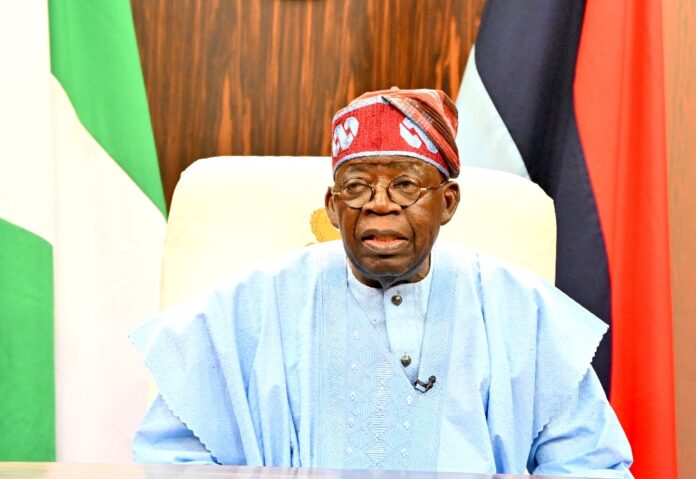
ABUJA — The ongoing legal dispute in the United States over the release of decades-old investigative files involving President Bola Tinubu has sparked fresh debate regarding Nigeria’s ability to attract foreign direct investment.
The controversy centres on a Freedom of Information Act (FOIA) request filed by a Nigerian journalist and activist, seeking records from the FBI, DEA, and CIA related to investigations involving the President in the 1990s.
Legal Tug-of-War in Washington
In a significant development, U.S. District Judge Beryl Howell ordered American security agencies to begin the release of non-exempt records. However, President Tinubu’s legal team intervened, arguing that the unredacted release of these files would constitute an unwarranted invasion of his personal privacy.
While the U.S. government has released some documents in the past, including those related to a 1993 forfeiture case involving funds in a bank account linked to the President, Tinubu’s lawyers maintain that the files do not contain evidence of criminal convictions. The Presidency has consistently stated that there is nothing new to be revealed and that the reports are being weaponised by political opponents.
Impact on Foreign Investment
The prolonged legal battle has raised questions about “political risk” and its impact on the President’s efforts to court global investors. Critics argue that the international optics of a sitting president attempting to block records in a foreign court creates an atmosphere of uncertainty.
“Can you do business with such a president when he comes to you and says ‘come and invest in my country’?” questioned one opposition analyst, highlighting the potential for reputational damage. Investment analysts at the Nigeria Investment Promotion Commission (NIPC) have previously noted that transparency and regulatory stability are top priorities for multinational firms considering entry into the Nigerian market.
Government Defence
The Federal Government has dismissed these concerns, describing them as attempts to distract from the “Renewed Hope” economic agenda. Officials at the Central Bank of Nigeria (CBN) and the Ministry of Trade have pointed to recent foreign exchange reforms as the true indicators of Nigeria’s investment readiness.
The Presidency has further cautioned that unverified reports and “scaremongering” regarding national leadership do more to harm the economy than the decades-old documents in question.
As of early 2026, the U.S. court is still processing the voluminous records, with periodic status reports expected from the FBI and DEA. The outcome of these disclosures remains a focal point for both local political observers and international risk assessors.