
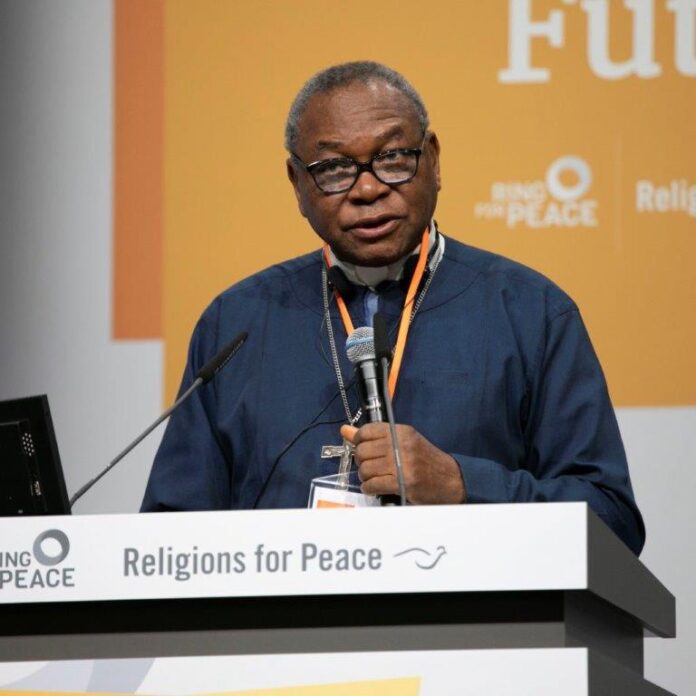

ABUJA, NIGERIA — In a stinging indictment of the country’s political class, Cardinal John Onaiyekan, Archbishop Emeritus of the Catholic Diocese of Abuja, has declared that Nigerians can no longer trust their representatives in the National Assembly to act in the best interests of the public.
Speaking at the 2026 First Plenary Meeting of the Catholic Bishops’ Conference of Nigeria (CBCN), the respected cleric expressed grave concerns over the growing chasm between the legislative agenda in Abuja and the harsh realities faced by citizens across the federation.
A Crisis of Legitimacy
“We are no longer sure our representatives in the National Assembly represent ‘We the People,'” Onaiyekan stated. “The priorities they set and the decisions they take do not show that they represent us.”
The Cardinal’s remarks come at a time of heightened tension over the 2026 Electoral Act amendments. The Catholic clergy has been vocal in its criticism of a National Assembly that appears eager to digitize tax collection and revenue systems while remaining hesitant to mandate the full electronic transmission of election results—a move many see as a deliberate attempt to undermine transparency.
The Role of the Church
Addressing the government’s frequent defensiveness toward clerical criticism, the Cardinal clarified that the Church’s interventions are born of a moral duty rather than political ambition.
“Nigeria’s bishops have no intention of taking over the government; we are simply speaking for the people and speaking truth to power,” he noted.
He emphasized that the clergy remains the last line of defense for the “common good,” especially as economic policies continue to push millions into poverty while legislative allocations and perks for lawmakers remain at record highs.
A Growing National Defiance
Onaiyekan’s critique follows a week of visible public pushback against the status quo. From the Kano State House of Assembly’s scramble to protect political elites from international sanctions to the recent rejection of a celebrity-led campaign at Federal Polytechnic Nekede, the Nigerian public is increasingly showing a lack of appetite for traditional political messaging.
As the bishops conclude their plenary session, the message to the National Assembly is unmistakable: the era of blind trust is over. Unless lawmakers realign their legislative priorities with the immediate survival needs of the Nigerian people, the title of “representative” will remain a label in name only.