
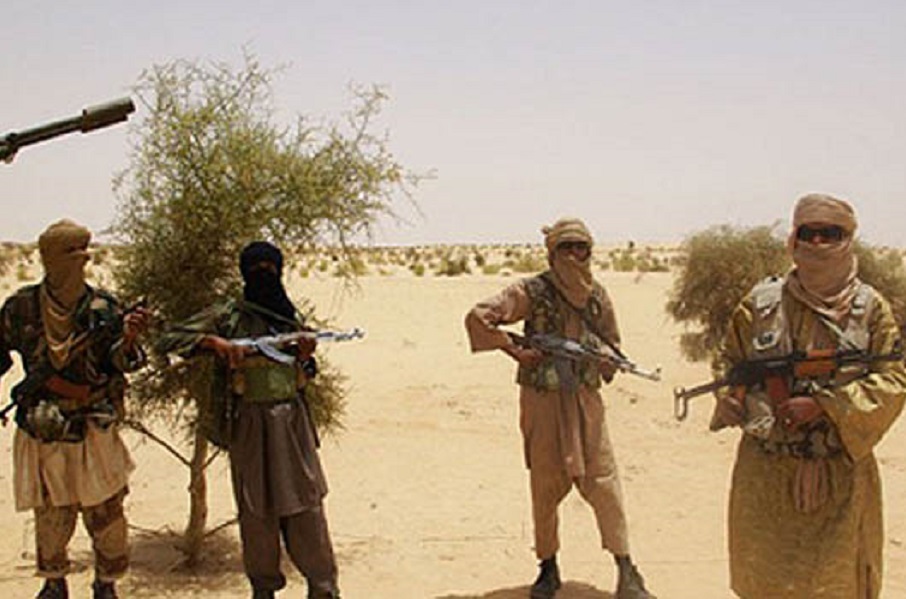
KANO — A viral video featuring a Fulani woman identified as Hauwau has ignited a firestorm of conversation across Nigeria after she publicly admitted that the vast majority of bandits terrorizing the country are of her own ethnicity.
In the candid address, Hauwau challenged the narrative that criticisms against the Fulani are born out of tribal spite, asserting instead that they are based on a painful reality. “When you hear people say Fulanis are the problems of Nigeria… you would think these people are talking out of spite, but they are not,” she said. “90% of the bandits in Nigeria are Fulanis.”
A Community in Crisis
Hauwau’s admission comes at a time of heightened ethnic tension in Northern Nigeria, following back-to-back massacres in Doma, Katsina and Abande, Benue, where survivors have consistently identified their attackers as “suspected Fulani bandits.”
Her statement is being viewed as part of a growing movement of internal critique within the Fulani community, where individuals are choosing to speak out rather than offer blanket defenses. In a similar viral TikTok exchange, a Fulani activist was seen confronting a bandit leader, asking how they could equate the lives of cattle to human lives after the bandit claimed military attacks on their herds justified their kidnappings.
The Political and Judicial Fallout
The timing of this “insider” admission is particularly sensitive as the Department of State Services (DSS) proceeds with the terrorism financing trial of former AGF Abubakar Malami.
Malami stands accused of shielding Fulani banditry financiers during his tenure, a charge that critics like Solomon Dalung say proves that the “banditry industry” was protected at the highest levels of the previous administration.
Mixed Reactions: Truth vs. Profiling
Hauwau’s statement has drawn a polarized response:
- Support for Candor: Many Nigerians, including some Northern groups, have lauded her bravery, arguing that identifying the source of the problem is the first step toward a solution.
- Fear of Escalation: Conversely, some leaders of the Miyetti Allah Kautal Hore have expressed concern that such broad generalizations—even from within—could fuel indiscriminate attacks against millions of innocent Fulani herders who are themselves victims of banditry.
The 2027 Shadow
As the 2027 general elections approach, the issue of “ethnicized” security remains a potent political weapon. Professor Usman Yusuf recently warned that no military solution, including the purchase of “Tucano Jets,” will work until the government addresses the “133 million Nigerians living in multidimensional poverty” that drives young men into the arms of bandits.
As of February 2026, the Federal Government has not officially responded to Hauwau’s viral video, but the discourse is expected to influence the ongoing legislative debate on regional security and the use of “forest guards.”