
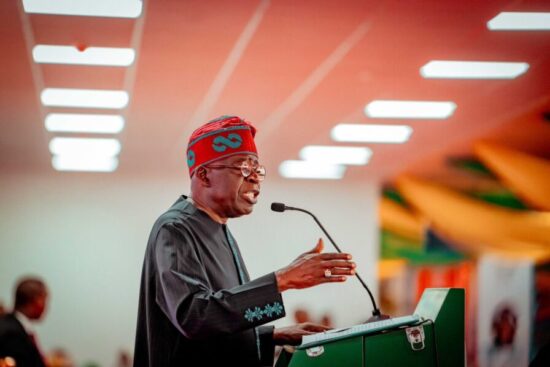
President Bola Tinubu has returned to Abuja after attending the Abu Dhabi Sustainability Week (ADSW) 2026, where Nigeria signed a Comprehensive Economic Partnership Agreement (CEPA) with the United Arab Emirates (UAE). The agreement is expected to boost Nigeria’s economic growth, attract investments, and create jobs.
The CEPA eliminates tariffs on over 13,500 products traded between Nigeria and the UAE, with the UAE removing tariffs on 7,315 Nigerian products and Nigeria eliminating tariffs on 6,243 UAE products. This deal is part of President Tinubu’s efforts to diversify Nigeria’s economy and promote non-oil exports.
The agreement includes tariff elimination on over 7,000 Nigerian products, including fish and seafood, oil seeds, cereals, cotton, pharmaceuticals, and chemicals. Nigerian businesses can establish operations in the UAE and access the Gulf market duty-free. The agreement is expected to attract UAE investments in Nigeria’s infrastructure and industrial sectors, create jobs, and stimulate economic growth in Nigeria.
The agreement also includes commitments from Nigeria to eliminate tariffs on industrial inputs, capital goods, and machinery, while maintaining its import prohibition list. The deal is seen as a significant step towards Nigeria’s economic diversification and growth.
President Tinubu also announced plans to host a joint Nigeria-UAE INVESTOPIA forum in Lagos in February to attract global investors [1].