By Sadiq Alkali
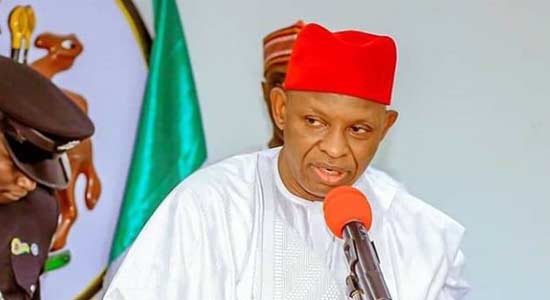
In recent weeks, social media has been abuzz with rumors and speculation surrounding Kano State Governor Abba Kabir Yusuf’s political future. What began as whispers of a potential defection from the New Nigeria Peoples Party (NNPP) to the ruling All Progressives Congress (APC) culminated in a surprising announcement: Yusuf’s resignation from the NNPP, along with several cabinet members. This move has sparked intense debate, drawing parallels to past political betrayals and raising questions about loyalty, strategy, and the future of opposition politics in Nigeria.
The speculation gained traction when prominent investigative journalist Jaafar Jaafar posted on his Facebook page, alleging that Governor Yusuf—often called “Abba Gida-Gida”—was preparing to betray his political mentor, Rabiu Musa Kwankwaso, by switching parties without his knowledge. Jaafar drew a cautionary tale from Zamfara State during former President Muhammadu Buhari’s administration. In 2019, Bello Matawalle won the governorship on the Peoples Democratic Party (PDP) ticket but was later convinced to defect to the APC by influential figures like former governors Abdulaziz Yari and Ahmed Yarima. Despite their support, Matawalle lost his re-election bid in 2023. Jaafar warned that a similar fate could await Yusuf if he proceeded with the defection, emphasizing the risks of political disloyalty. He concluded his post with the Hausa phrase “acidadi lafiya,” implying a call for caution and good health amid the turmoil.
Adding another layer to the narrative, APC stalwart Danbilki Commander suggested a more intricate plot. According to him, Kwankwaso might be orchestrating the move as a strategic infiltration of the APC. The plan allegedly involves Yusuf joining the APC while his deputy remains in the NNPP, allowing Kwankwaso to support both sides and potentially split votes in the 2027 elections. Commander referenced Kwankwaso’s 2015 defection from the PDP, where he left the party’s Kano chairman behind, only for them to reunite later. He argued that this tactic aims to undermine APC figures like Deputy Senate President Barau Jibrin, who could otherwise win the governorship in 2027. Commander warned that APC members would not support Yusuf, viewing him as an outsider, and predicted voters would favor Barau instead.
Other theories circulated as well. Some claimed Kwankwaso was using Yusuf to secure financial incentives from the APC, with rumors alleging that President Bola Ahmed Tinubu offers up to ₦250 billion to defecting governors—funds that could be used as “weapons” to dismantle opposition parties ahead of elections. Critics dismissed this as baseless, but it fueled perceptions that Tinubu favors a one-party system, simplifying his path to re-election by co-opting rivals.
Skeptics argued that Yusuf would never defect without Kwankwaso’s blessing, noting the governor’s deep ties to his “godfather.” They pointed out that the Kano State House of Assembly, dominated by Kwankwaso loyalists, could impeach Yusuf if he acted independently. Initially, Yusuf’s spokesman denied the rumors during a BBC interview, clarifying that the governor’s meeting with President Tinubu was solely to discuss collaboration on ending insecurity in Kano, not party politics.
However, the denials were short-lived. In a stunning turn, Yusuf announced his resignation from the NNPP, accompanied by a significant number of cabinet members, assembly lawmakers, and even federal representatives—a mass defection that has rocked the party. follow-up BBC interview, the spokesman attributed the exit to internal crises within the NNPP, stating that Yusuf’s primary goal is the development of Kano State and its people.Notably, Yusuf has yet to declare his new political affiliation, though sources indicate a move to the APC is imminent.
Kwankwaso, the NNPP’s national leader and Yusuf’s longtime mentor, has remained silent on the matter, leaving supporters and observers eagerly awaiting his response The NNPP has condemned the defection as a “cold betrayal of sacred trust,” vowing that Yusuf will face consequences similar to those experienced by past defectors like the late Abubakar Rimi. This silence from Kwankwaso has only intensified speculation about fractures in their relationship.
The episode highlights the fluid nature of Nigerian politics, where alliances shift rapidly and ideology often takes a backseat to pragmatism. As 2027 approaches, Yusuf’s defection could reshape Kano’s political landscape, potentially strengthening the APC’s hold while weakening the NNPP. Yet, as the Zamfara example shows, such moves carry inherent risks. For now, Kano residents are left to ponder whether this is a bold step toward progress or a recipe for further instability.