

LAGOS – Nigeria’s mainstream media is facing a firestorm of criticism over alleged “unmasked hypocrisy” and double standards in its coverage of President Bola Tinubu’s recent public stumble and the military’s delayed admission of a failed coup plot.
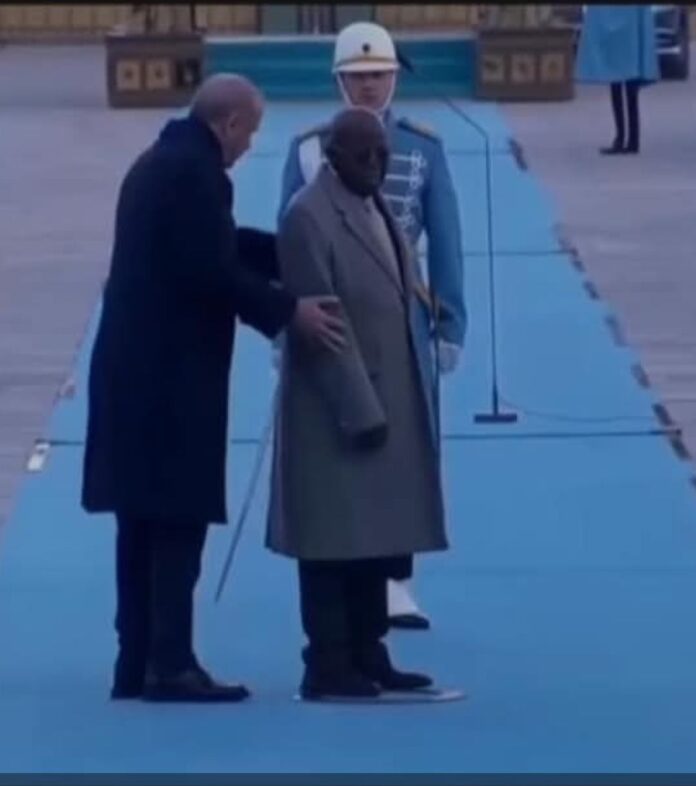
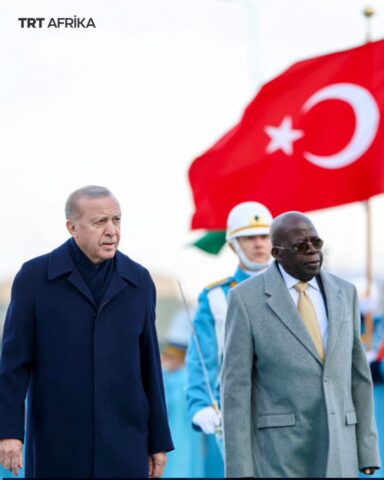
The controversy erupted following the President’s brief loss of balance during a reception in Ankara, Türkiye, on Tuesday. Observers noted that while the Presidency quickly blamed a “poorly laid carpet” for the mishap, the dominant media outlets in the South West—often referred to as the “Lagos-Ibadan media”—have been accused of sanitising the event to protect the President’s image.
Critics argue that a leader from any other geopolitical zone would have faced a media onslaught questioning their fitness for office. Instead, the narrative has shifted toward national security, specifically the Defence Headquarters’ sudden confirmation on Monday of a failed coup attempt involving 16 officers. This admission came nearly four months after the military leadership had flatly denied such reports.
The timing of the military’s disclosure has led to accusations of “narrative management,” with pundits claiming the media is helping to distract from the President’s health by focusing on a security crisis the government previously suppressed.
The debate has extended to social issues, particularly the recent Lagos visit of global streaming star IShowSpeed. While his live broadcasts exposed a massive “begging culture” on the streets of Lagos, critics allege that major news platforms like Channels Television attempted to deflect the embarrassment by highlighting beggar populations in Kano instead.
“This is not journalism; this is agenda-driven storytelling,” one commentator stated, highlighting a growing public demand for a media that scrutinises power equally, regardless of the incumbent’s political or regional proximity.





