
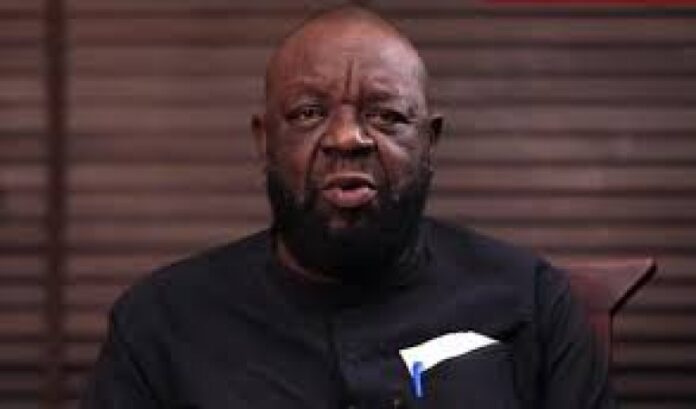

ONITSHA – Following the deployment of soldiers to disperse traders protesting the government-ordered shutdown of the Onitsha Main Market, Aloy Ejimakor, lead counsel to Nnamdi Kanu, has issued a stark warning to the Anambra State Government, describing the military presence as unconstitutional and a “recipe for disaster.”
The crisis erupted after Governor Chukwuma Soludo ordered a one-week closure of the market as a punitive measure against traders who complied with the Monday “sit-at-home” order. On Tuesday and Wednesday, hundreds of traders took to the streets, blocking the River Niger Head Bridge to protest the loss of their livelihoods, prompting the state to deploy a joint security task force including the army.
Reacting to the escalating tension on January 27, 2026, Ejimakor condemned the use of lethal force against peaceful demonstrators. “The deployment of security agents (particularly soldiers) to quell the peaceful #OnitshaMarketClosure protest is unconstitutional and should be reversed immediately,” Ejimakor stated.
The human rights lawyer warned that any further escalation could lead to an unforgivable loss of life, noting that “Igbos have paid enough in blood and sorrow.” His comments mirror a growing sentiment in the Southeast that the military should not be the primary tool for resolving civil disputes or economic disagreements between the state and its citizens.
The situation has already turned tragic; reports from the Anambra State Ministry of Information confirm that one trader, Miss Chinwe Igwe, was killed and several others injured during a clash with OCHA Brigade operatives and security forces.
While the Anambra State House of Assembly supports the shutdown to curb what it calls “economic sabotage,” Ejimakor and other legal activists argue that the government’s approach is counter-productive and violates the fundamental rights of traders who are caught between government directives and security threats from non-state actors.
Should the Anambra State Government initiate a dialogue with market leaders to resolve the “sit-at-home” conflict without further military intervention?