Ekweremadu: Inequity And Resource Depletion Impair Prosperity, Security
 Loading ...
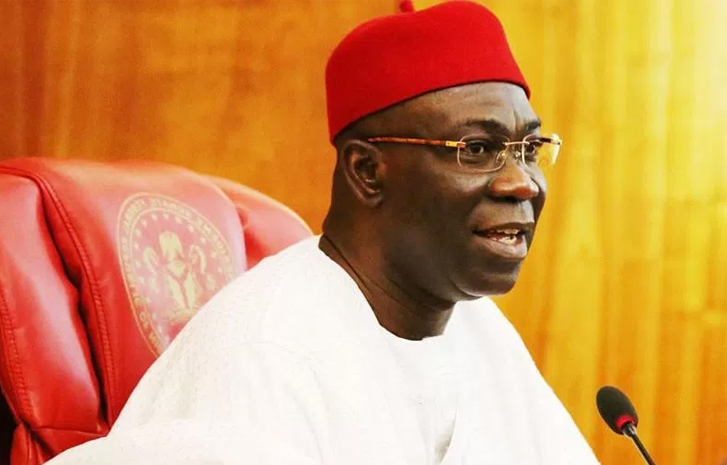
LONDON- The Deputy President of the Nigerian Senate, Senator Ike Ekweremadu, has identified inequity, natural resource depletion, and disrespect for human rights and rule of law as major setbacks to prosperity, peace, security, and sustainable development in the Commonwealth.
Ekweremadu stated this in London on Monday while addressing the opening session of the inaugural Commonwealth Parliamentarians’ Forum currently engaging on the agenda themes of the Commonwealth Heads of State and Government Meeting, CHOGM, scheduled for London in April this year.
He commended CHOGM 2018 for focusing on boosting intra-Commonwealth trade and investment, increasing cooperation on the war against global terrorism and organised crimes, building member states’ resilence to deal with the effects of climate change, and promoting democratic values across member nations.
Ekweremadu said it was high time the Commonwealth transcended the Commonwealth of Nations to Commonwealth of People to ensure that everybody counted.
“The truth is that the world may never enjoy true prosperity and sustainability in the absence of security, justice, and fairness. Security itself is a direct derivative from fairness and prosperity.
“So long as there is injustice, unequal or unfair distribution of resources, opportunities, and prosperity; so long as unabated hunger, poverty, and preventable diseases pillage the overwhelming majority, for so long will peace and security continue to elude the world.
“Importantly, the insecurity of a part is the insecurity of the whole. The rule is that when evil men and women conspire, the good men and women must congregate, and always keep steps ahead”, he said.
Ekweremadu described the protracted Boko Haram insurgency and herdsmen/farmers crises as “practical examples of how natural resource depletion and inequality adversely affect security and prosperity”.
He explained: “Lake Chad, which is a major source of livelihood for parts of Niger Republic, Chad, Nigeria, and Cameroon, has shrunk from 25,000 square kilometres in the 1960s to just 2,500 square kilometres today.
“This has seriously aided the rise, spread, and monumental consequences of Boko Haram terrorism and insurgency in Nigeria and her North East border countries.
“With millions displaced and thousands killed, drought, disease, and chronic poverty have had the world grappling with the worst humanitarian crisis in the world today.
“Militant nomadic herdsmen, displaced by both insurgency and depleted resources have engaged in resource scramble with indigenous communities in Nigeria and some other parts of West Africa, leaving widespread killings and destruction in their trails.
“According to Global Terrorism Index, militant herdsmen killed more people in Nigeria than Boko Haram in 2016 and over 2,500 people between 2012 and 2016”.
Ekweremadu welcomed Britain’s move to exit “the European Union marriage, which may have limited her ability to foster stronger ties, especially for economic prosperity, with Commonwealth nations”, but called on the Commonwealth to be more proactive and assertive in checking the excesses of some member states, which undermine democratic values with far-reaching consequences.
“Many conflicts and crises witnessed in many Commonwealth member states arise from a few individuals in power and those they consider as their people taking more than their fair shares.
“But, I believe the resurgent influence of the Commonwealth would help to keep leaders in check and promote human rights, rule of law, and inclusivity”, Ekweremadu stressed.
Other speakers at the opening session were the Secretary-General of the Commonwealth, Rt. Hon. Patricia Scotland; Minister of State, UK Foreign and Commonwealth Office, Lord Ahmad Wimbledon; and the Chairperson of the Commonwealth Parliamentary Association, Hon. Emilia Lifaka.